“Will you take me as I am, an honest country girl who loves you?”
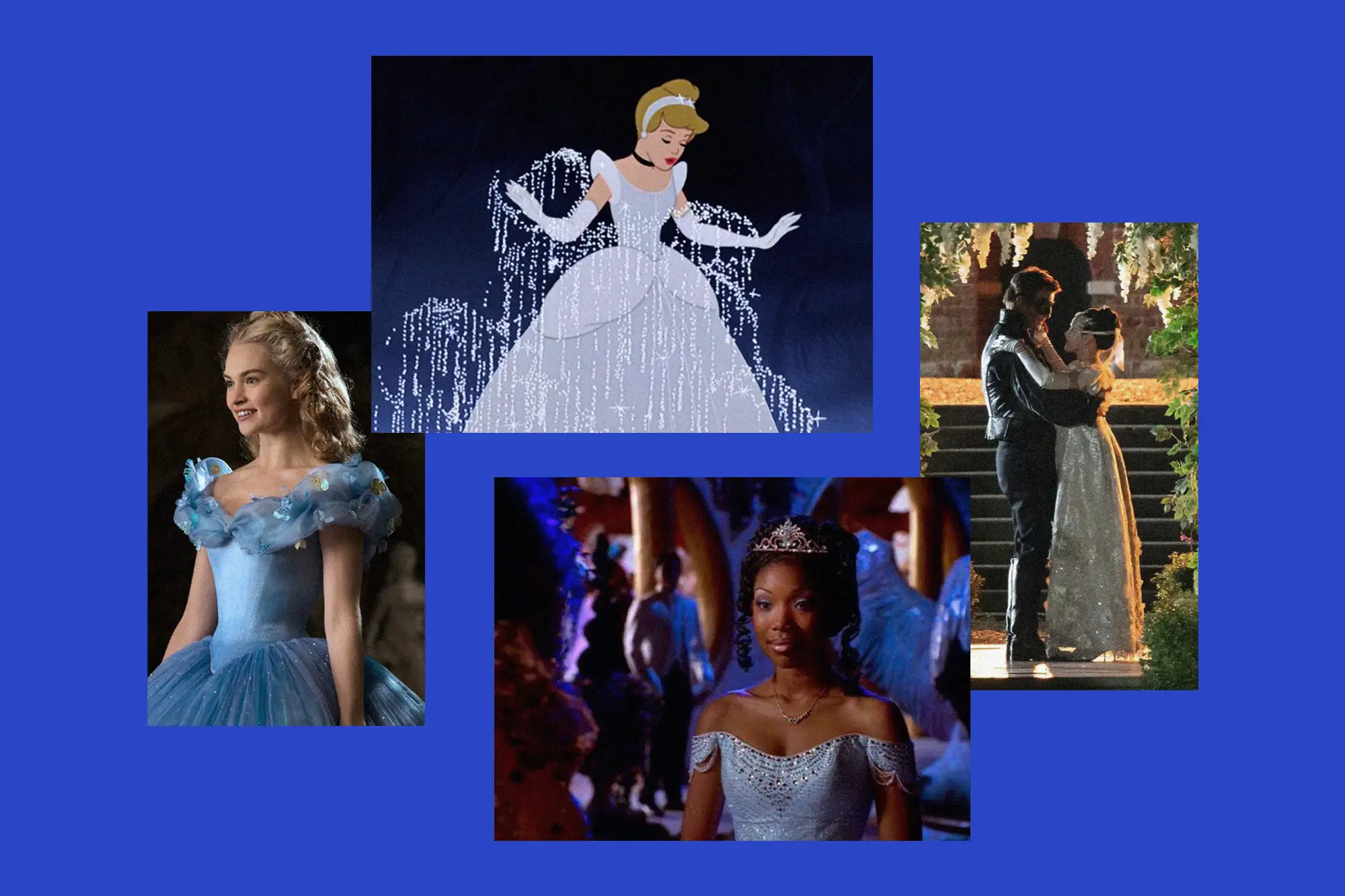
Cinderella (dir. Kenneth Branagh, 2015)
A prince, a servant girl, and her magical, but inconvenient glass slipper. You know the story.
Cinderella has a long history of adaptations over the centuries, with the fourth season of Bridgerton being only the latest to put its own spin on the beloved folk tale.
Audiences are whisked away to Mayfair for the start of the ton’s social season, where Benedict Bridgerton falls in love with a Lady in Silver at his mother’s masquerade ball. Left only with her glove, Benedict can’t stop searching for this mystery woman who ran off at the stroke of midnight and captured his heart.
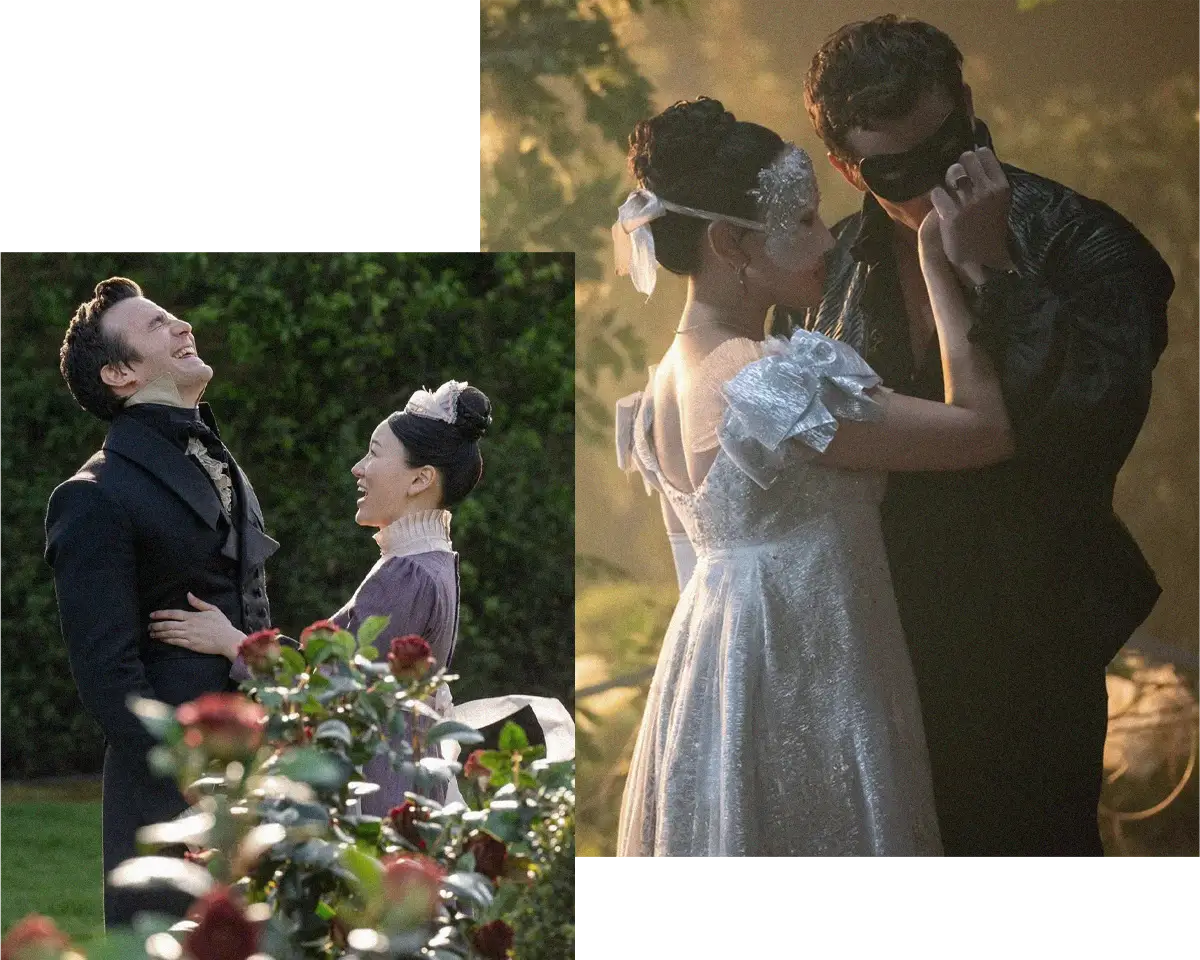
Little does Benedict know, Sophie Baek, the maid who saves his life some months later, was the masked lady he gave his heart to at the ball all those moons ago. Yet, society would never allow Sophie—the illegitimate daughter of a lord forced into servitude—to marry a high-class Bridgerton son. Of course, as all fairytales end, Sophie and Benedict beat the odds and live happily ever after.
While the Netflix drama’s twists and turns prove to be more complex than its Cinderella premise, why does this fairytale maintain such widespread thematic appeal in popular culture? Is it because Cinderella promises to reward virtue and kindness, transforming the life of a dutiful maiden to a princess overnight?
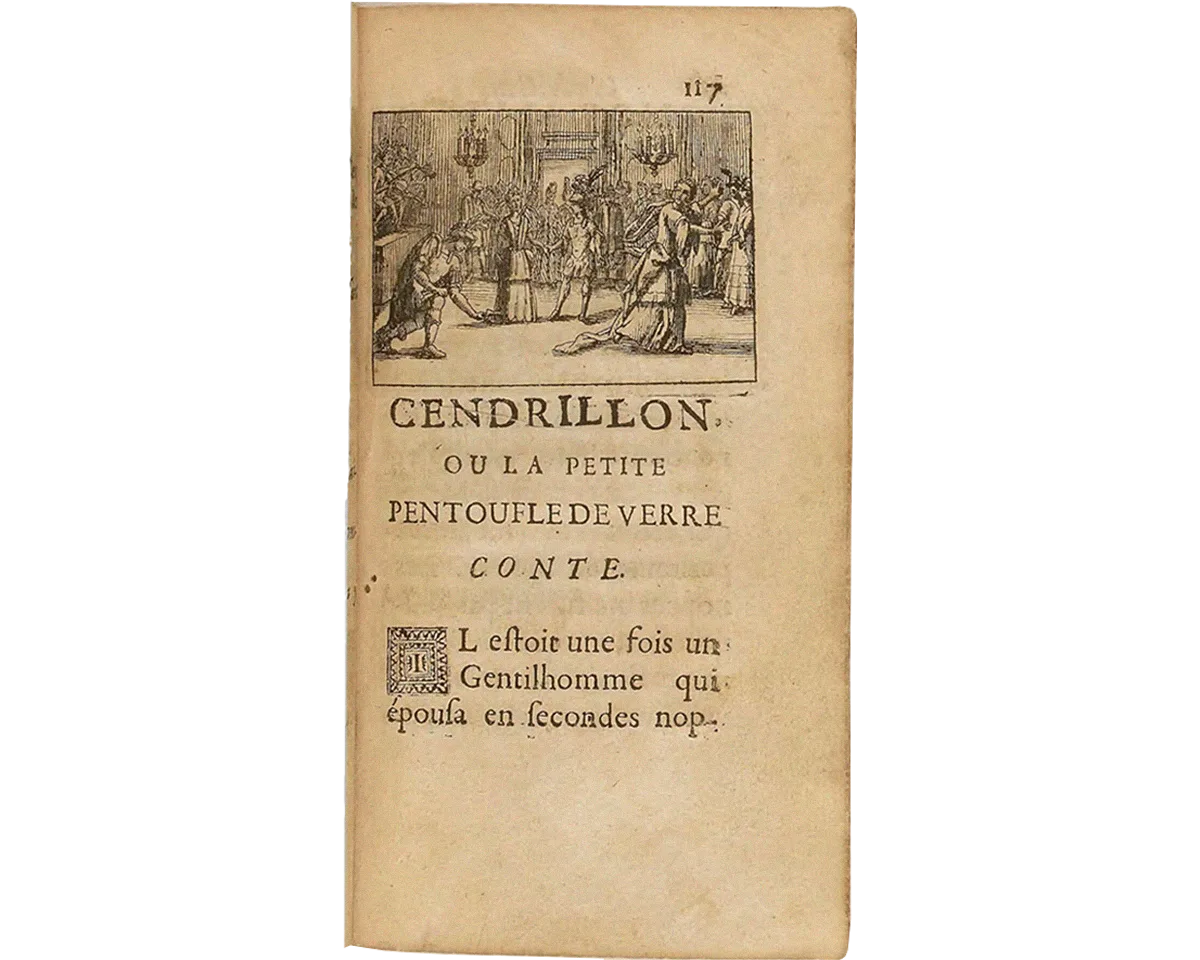
While there is no singular origin story for Cinderella, the story we know today became popularized by French writer Charles Perrault, who published, “Cendrillon ou la petite pantoufle de verre”—“Cinderella; or The Little Glass Slipper”—in 1697. Its earlier origins, however, trace even further; two of the oldest versions can be traced back to folk tales in Ancient Egypt in 500 BCE (Rhodopis) and in China during the Tang Dynasty (Yeh Shen).
Yet Perrault’s Cinderella is the first to feature a fairy godmother, a glass slipper, and a pumpkin transformed into a carriage— essential ingredients for the beloved classic rags-to-riches story. The author described the magical moment of Cinderella’s transition, “Her godmother then touched her with her wand, and, at the same instant, her clothes turned into cloth of gold and silver, all beset with jewels.”
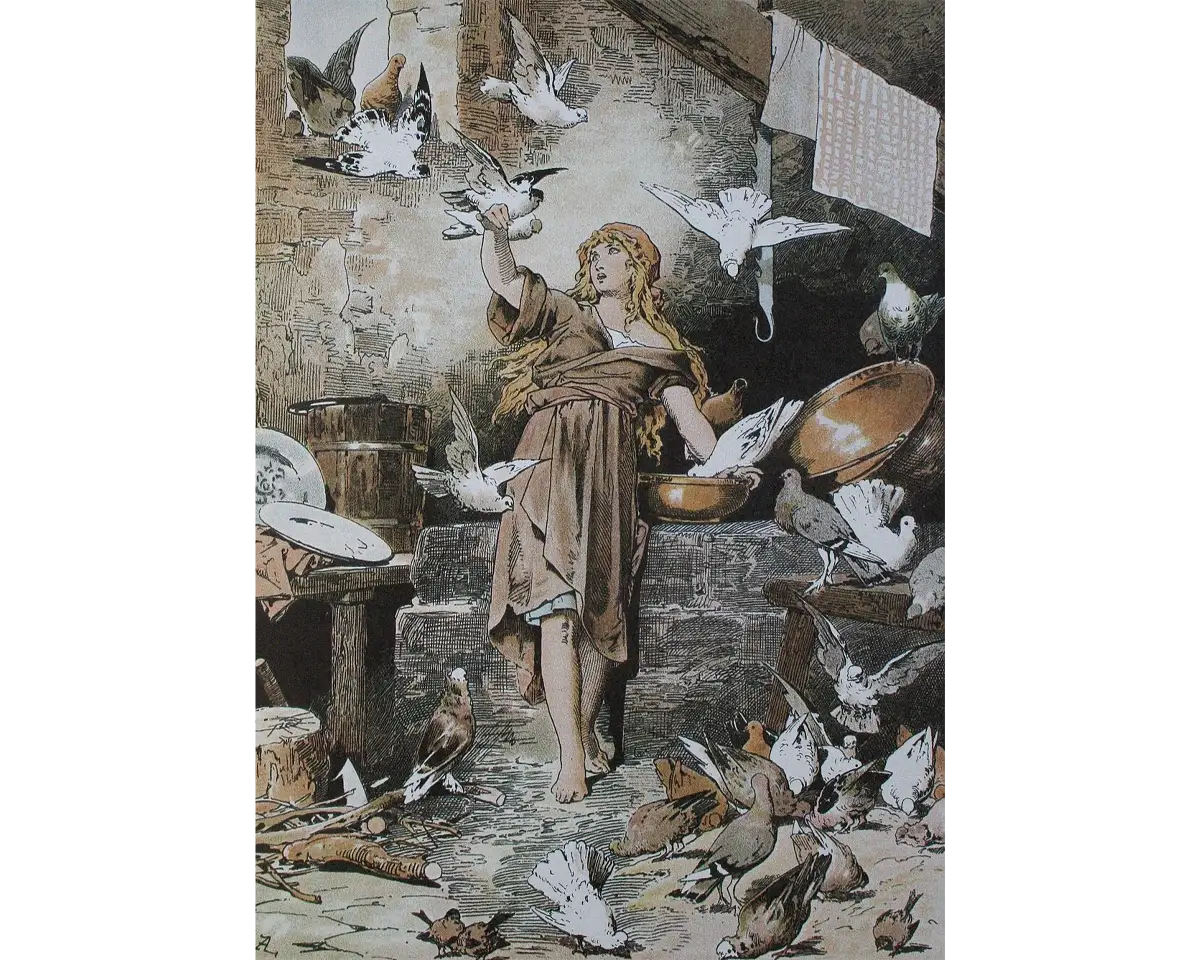
A century later, in 1812, the Brothers Grimm wrote their own folk-inspired version of Cinderella, “Aschenputtel,” as part of their collection of German fairytales. Here, there’s no fairy godmother, but there is a magical tree. When Cinderella’s stepmother forbids her to attend the King’s festival, the girl runs to her late mother’s grave by the hazel tree, crying out, “Shake and quiver, little tree, Throw gold and silver down to me.”
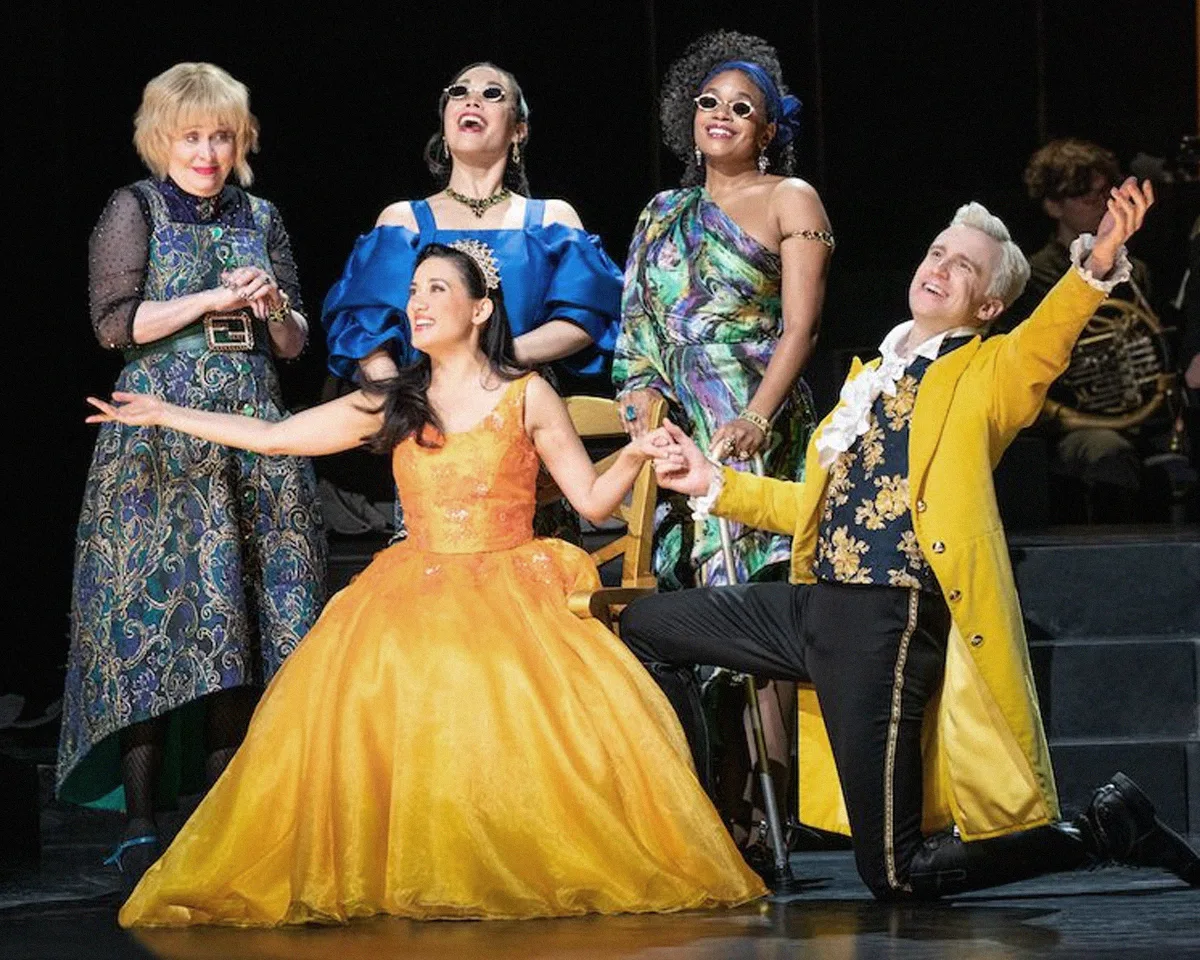
For the three nights of the festival, Cinderella receives a dress and shoes more beautiful than the day before. In a much darker change of tone, Cinderella’s stepsisters cut off their toes and heels in order to fit the golden slipper and marry the prince. When their deceit is revealed, the sisters’ eyes are plucked out by birds—ouch. Elements from the Brothers Grimm story were later repurposed in Stephen Sondheim’s popular 1986 musical, “Into the Woods.”
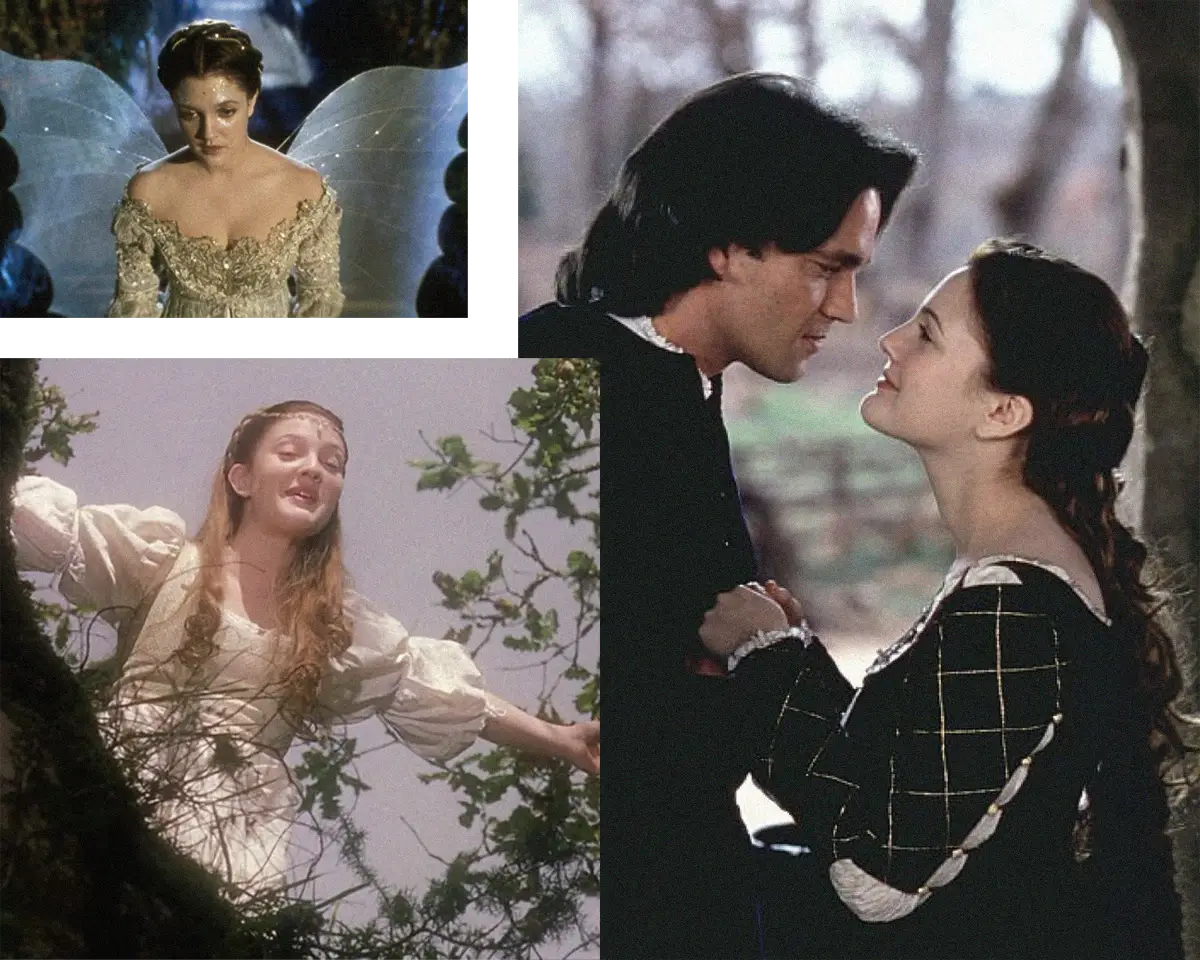
A feminist endeavor, Ever After: A Cinderella Story (1998) sheds the magic completely—this time for the big screen. The film places its plucky heroine, Danielle de Barbarac (Drew Barrymore) squarely in 16th-century France under the roof of her domineering stepmother, Baroness Rodmilla de Ghent (Angelica Huston). Impersonating a countess, Danielle charms Prince Henri (Dougray Scott) with her courage, intelligence, and bravery. All of a sudden, she finds herself falling into a forbidden yet thrilling courtship. (P.S. the princess saves herself in this one, by the way.).
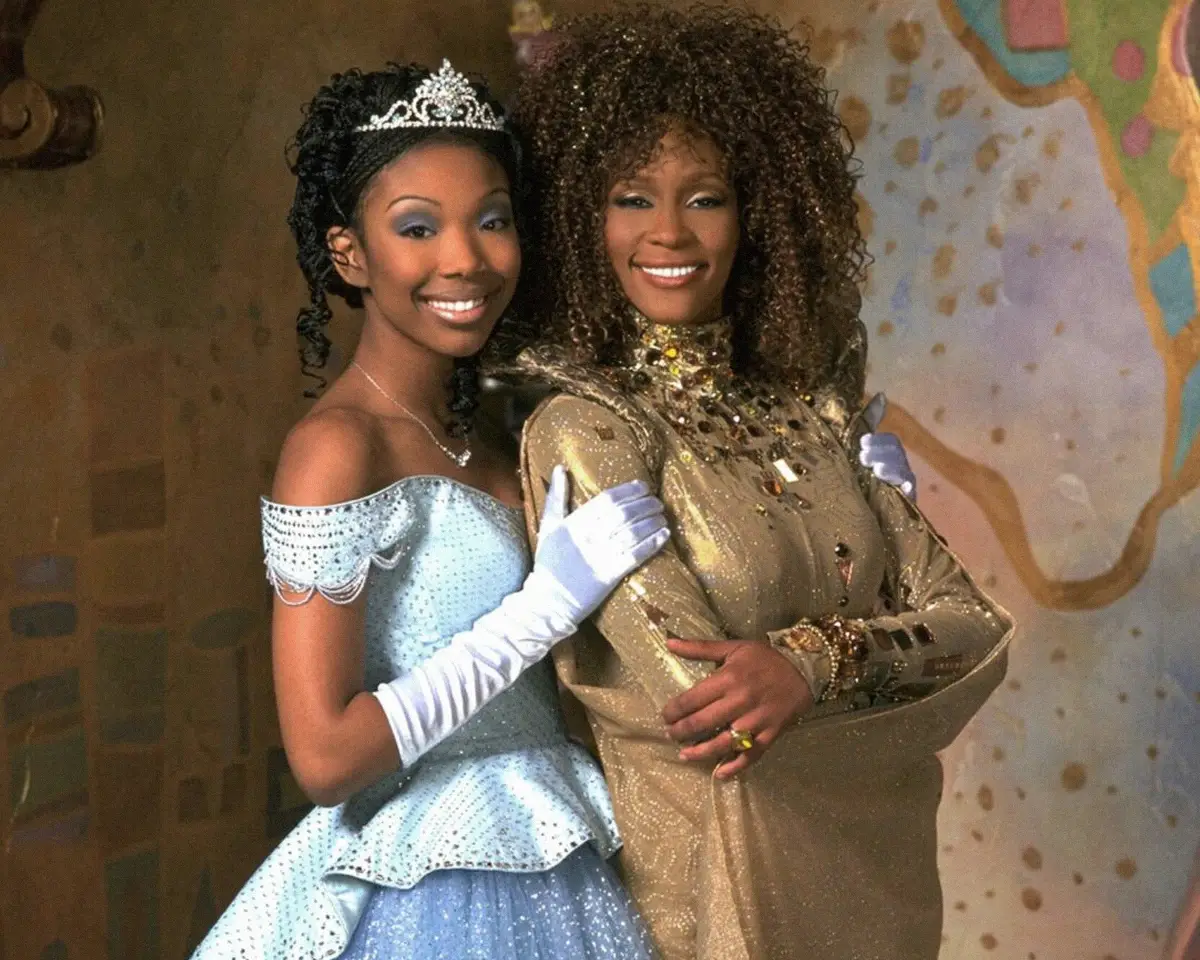
But that wasn’t it for 90s screen adaptations. Cinderella (1997) starring powerhouse vocalists Brandy Norwood and Whitney Houston as the princess and her fairy godmother marked another version of the fairytale. This racially diverse film is a fun and fresh take on the timeless Rodgers + Hammerstein musical, which originally premiered as a television broadcast starring Julie Andrews in 1957 and was later adapted for Broadway in 2013.
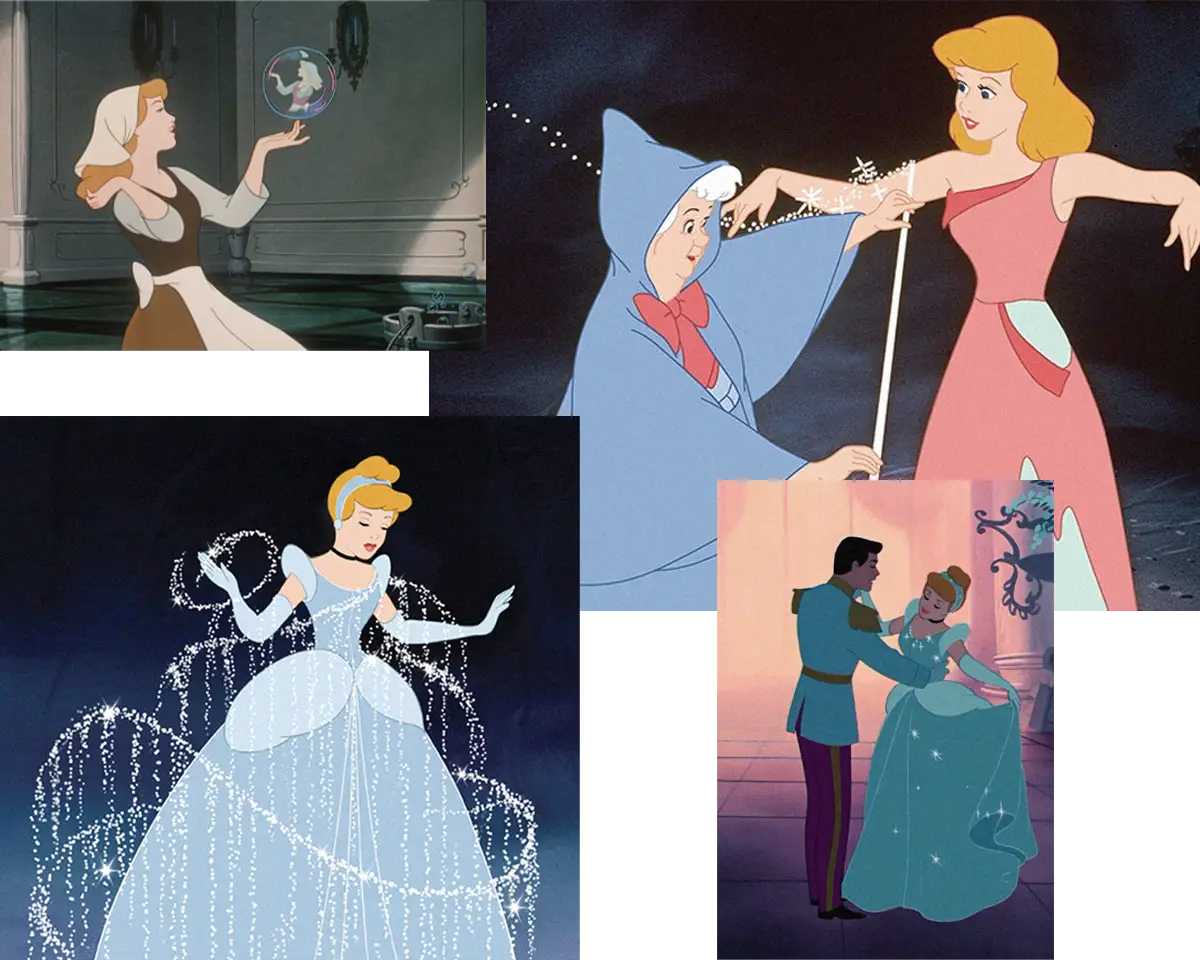
Slow down, you might think—and you’re right. Disney has to fit in somewhere. Cinderella, of course, reached new heights when Disney came along. Primarily based off of Charles Perrault’s 1697 French version, the first animated movie was released in 1950 and a live-action version in 2015, each met with commercial success. Who can forget Cinderella’s iconic “A Dream is a Wish your Heart Makes” or “Bibbidi Bobbidi Boo” from an eccentric fairy godmother?
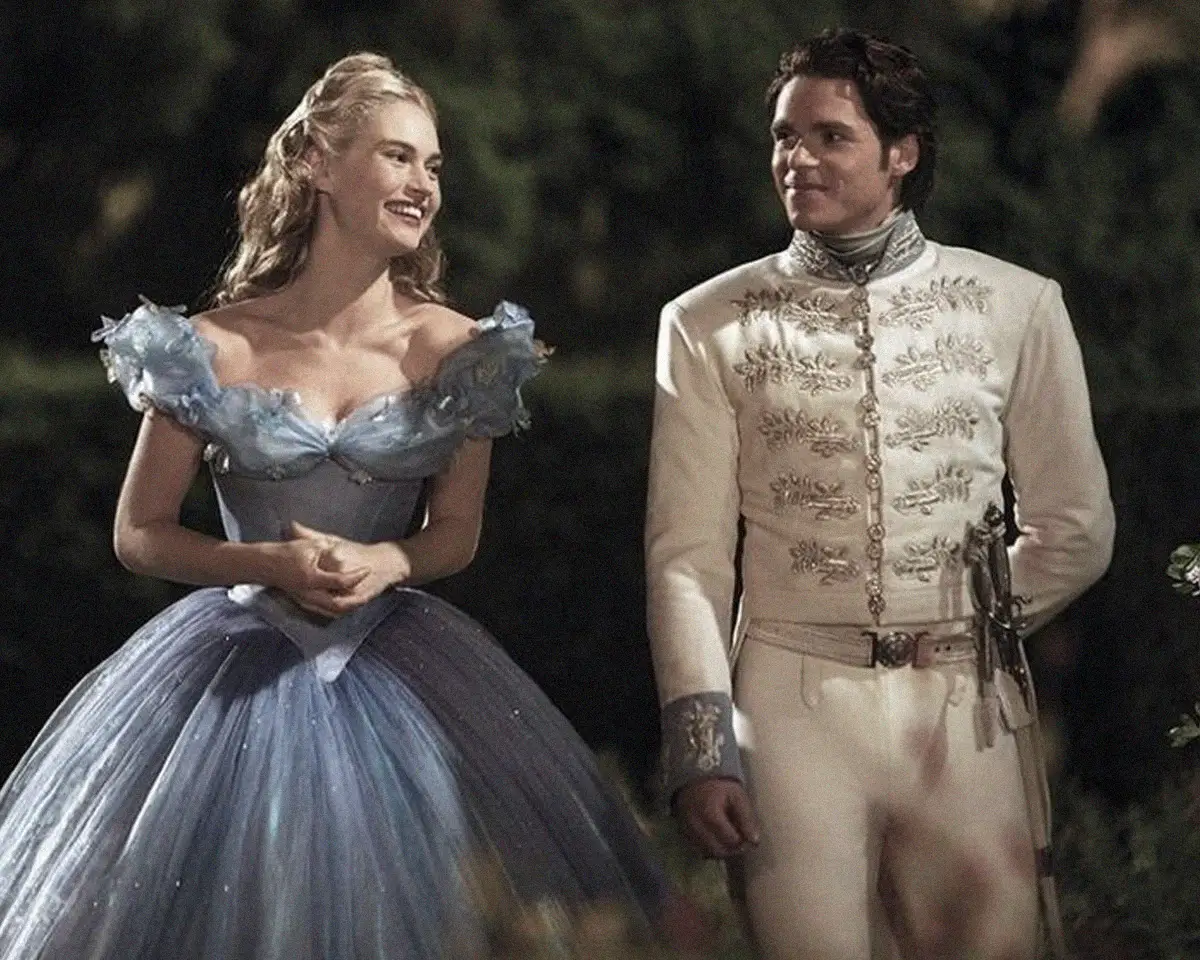
While the 2015 adaptation fleshes out Prince Charming’s character (Richard Madden), and adds a scene where Ella (Lily James) unknowingly meets her prince in the forest before the ball, the movie steers away from any major changes and stays true to the beats of Disney’s original story. Praised for its opulent costume design and lush cinematography, the film’s titular character remains a kind, good-hearted heroine who proves that good can triumph over evil after all.
Beyond magic spells and waltzes with a prince, Cinderella is also a quintessential tale of mothers and daughters—namely mothers who The New York Times’ chief film critic called “dead, cruel and magical.” Cinderella (2015) and Ever After share similarities in their nuanced portrayal of the relationship between the heroine and her stepmother.
These two adaptations subtly propose that perhaps the stepmother’s hardened mask of grief after losing two husbands manifests in the cruelty she inflicts on her stepdaughter, who naively wishes for the love of a mother whom she lost in childhood. As Linda Holmes writes for NPR, maybe the villain in this story is “as much a scarred stepmother as an evil one.”
In all these iterations of the Cinderella story, the fairytale endures because it asks both its heroine and its audience a question they can come back to again and again: Is it enough to be seen simply for who you are? Is it worth the struggle, to hold fast to your dreams and your hopes, even in the most impossible of circumstances?
Cinderella seems to think so.
Sources:
Review: In ‘Cinderella,’ Disney Polishes Its Glass Slippers - The New York Times
A Girl, A Shoe, A Prince: The Endlessly Evolving Cinderella : NPR