TLDR: I swiped right on S4 of Bridgerton and left on Pride and Prejudice. I loved “Wuthering Heights” and read the book and loved that, too. People We Meet on Vacation was the most boring two hours I’ve spent in the last two years, but I’m begging for attention in the cast of Heated Rivalry’s DMs on Instagram. I loved My Lady Jane and a Discovery of Witches, and I live for books like Salvage the Bones, but had to push to finish Jane Austen.
I'm at a point where my interest in the romance category must fall into one of three buckets.
1. Perfect romance with no breakup fear involved—true escapism, my view of fantasy, and even if painful, they’re in pain together. [Marriages—Commitment to commitment]
See: Discovery of Witches, Heated Rivalry
2. Completely doomed or toxic romance—both characters are hateable, hurt, or traumatized [Situationships—Feeling for feeling’s sake]
See: Wuthering Heights, CMBYN, (Lowkey: The Summer I Turned Pretty)
3. Romance that involves a combination of rule-breaking, sex, and humor.
See: Bridgerton, My Lady Jane, Catherine the Great
Everything I’ve listed is a “love” story or a “self-love” story, and all are written for (mostly) women, but I wanted to understand why only half of them are doing it for me, and why I couldn’t get into Austen, with or without the criteria above.
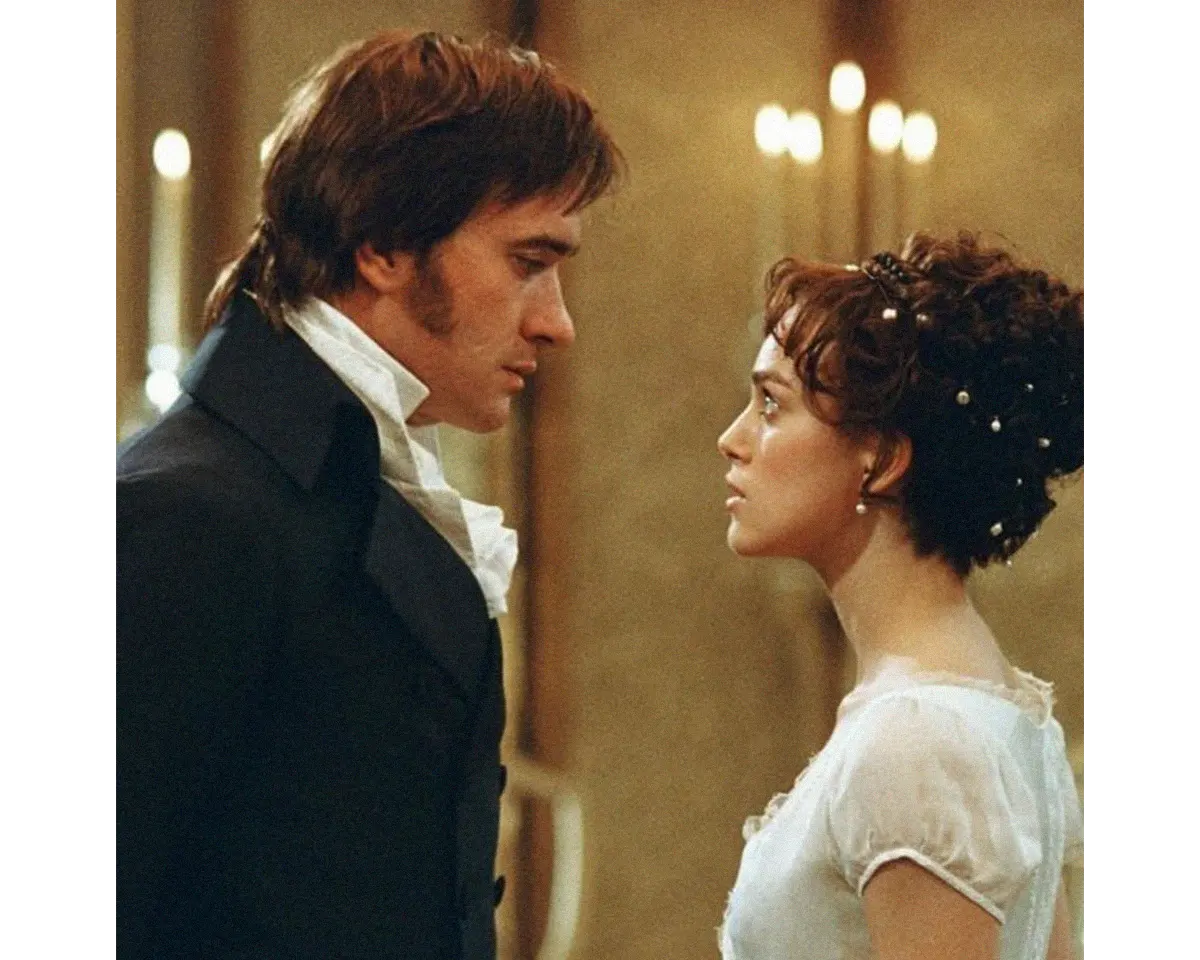
I want to be moved by a character’s vulnerability, resistance, and to know they’ve, well, been traumatized. I know, I know. Jane Austen is literature’s heroine and her beloved Lizzy has depth and growth and she breaks rules. But, movie and book, I just wasn’t sold. She felt tame in contrast with the characters I adore and she also grew up wealthy in a quite padded life. Her arc is moving for someone basic, but as a Brat girl, I did not find her impressive. She stands up to authorities beyond her class like Lady Catherine, but so what? I also said what was on my mind when I was 16. In fact, there’s not much in the book I hadn’t done by the time I was 14 as a girl who often walked many miles when I snuck out at night. Pride and Prejudice felt all honeysuckle and no thorn.
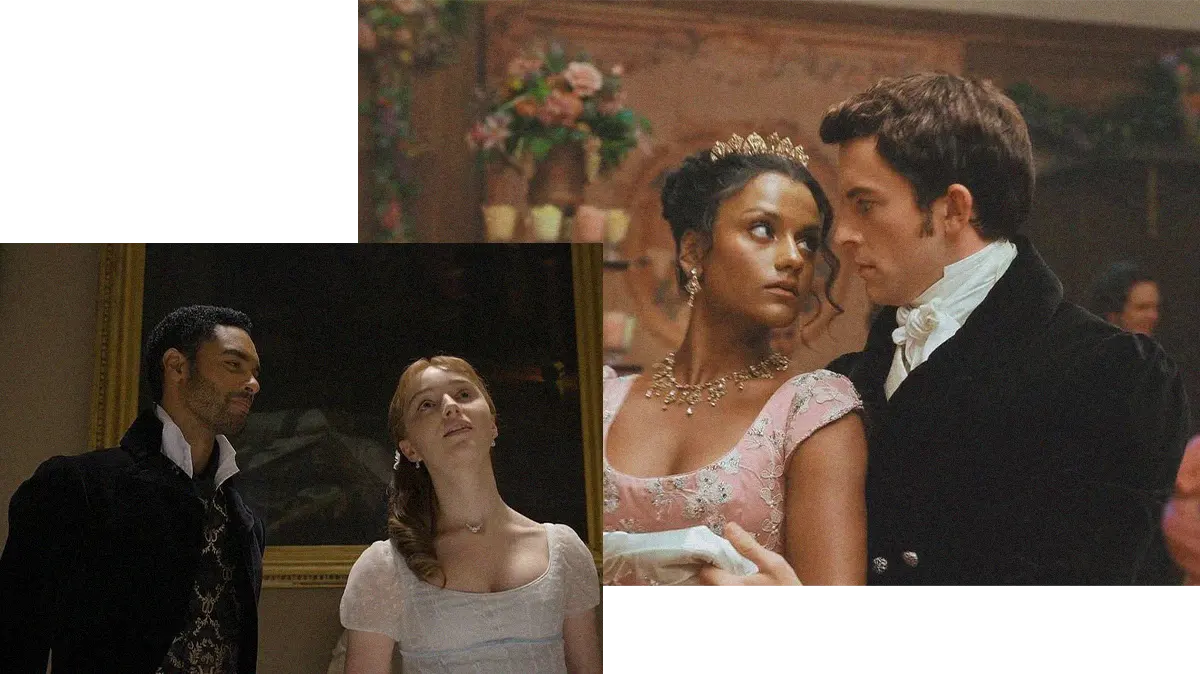
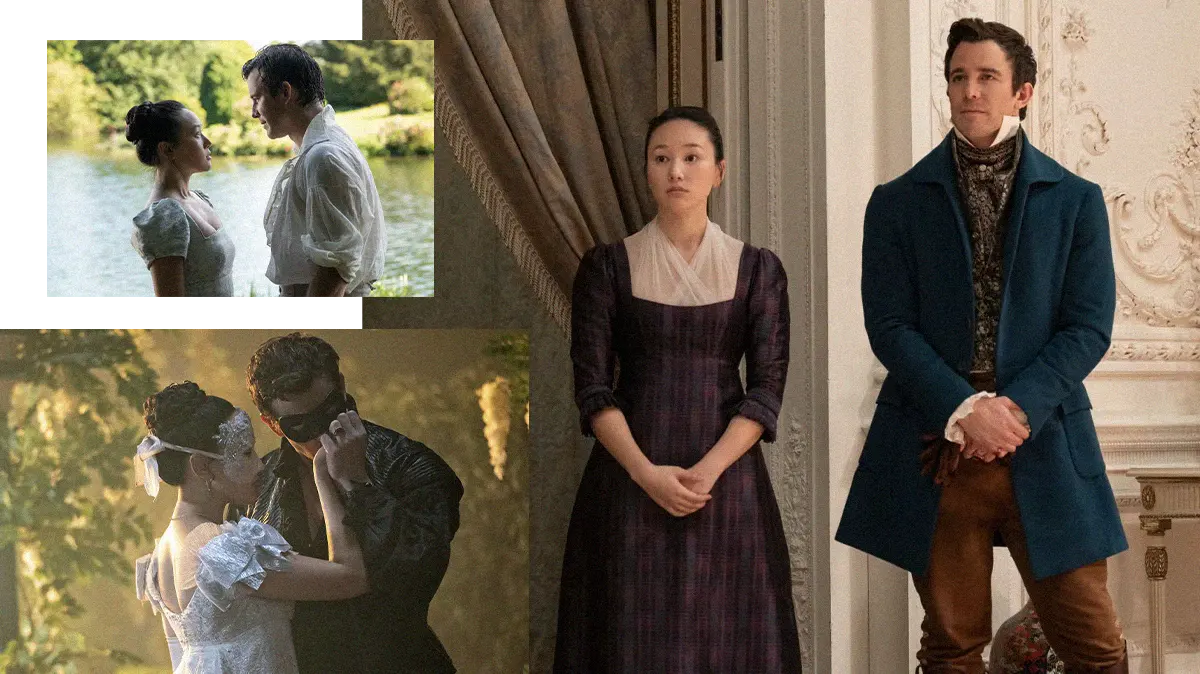
That’s why Bridgerton has pulled off the impossible. They took Lizzy and made her (t)horny. They expanded the side characters into a full plot. They allowed me to spend my time in that era without feeling like I’m missing out on half the fun simply by not understanding the social nuances. They added clarity on when decisions would feel like “sneaking out of the house” and made it obvious when actions would lead to social ruin but had to be taken anyway. And they added a very *particular* carriage scene… I digress.
Now, I do adore a good annotated edition—those go far—but I didn’t feel I missed things in Wuthering Heights the way I did with Pride and Prejudice.
Newly 30, still single, and recently viral for a video I posted about “singles’ perpetual grief”, I realized there was more to unpack here. I’m on the outside of the joke far too often already by not having the companion I want. I’m probably jaded. Okay, objectively jaded. So, I don’t want to feel that way about a book I’m reading, too.
To circle back, I anticipate that as more and more women reach this phase of life—whether single by divorce, by lack of a dating pool, by choice—they, like me, will come to see that choosing to be a spinster feels more like self-actualizing than settling. (We see you, Eloise.)
At this moment, it seems that dating in your 30s and 40s (and I’m sure beyond) is utterly “traumatizing that it’s essentially self harm” (side note: this is the particular phrase from my viral video that got the most comments), so I have no tolerance for seeing women get hurt by men in fiction unless they’re equally hurtful. I have no interest in rich, tame women who can’t express their needs. Humility, audacity, resilience, and pain are my baseline for knowing a book is worth my time.
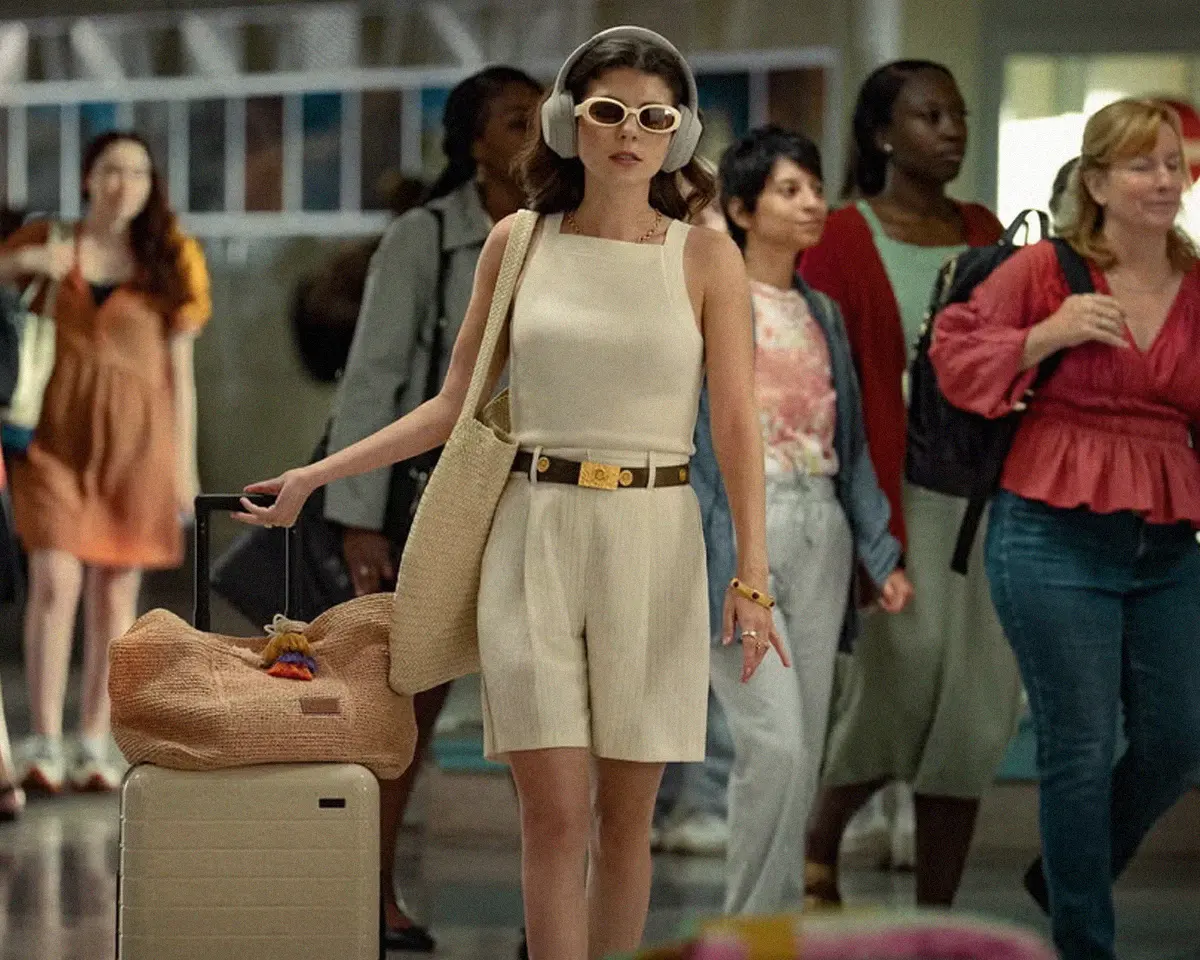
Poppy’s out-of-touch behavior in People We Meet on Vacation (the movie) felt so flat and miserable compared to Cathy’s entire selfish confession to Nelly in the novel. Poppy is taking all the time in the world to see what’s right in front of her, which isn’t something the girls want to see when they don’t have that luxury of time and lack of awareness. I wanted to shake Poppy. How could this post-grad girl still have no clue who she was or what she wanted? Her lack of trauma was showing, and it felt like an unrelatable privilege.
Meanwhile, though selfish, Cathy’s speech about why she’ll marry Edgar instead of Heathcliff in Chapter 9 of the novel left me speechless. Though she’s younger than the college-age Poppy, she knows what she wants even when it’s complicated.
I get Cathy. She’s broken, messy, sad, and horrible. She wants to have her cake and eat it too. She’s a narcissist, but the majority of the characters in this novel are terribly broken, making pain almost a language of itself. I understood how someone that broken could make mistakes.
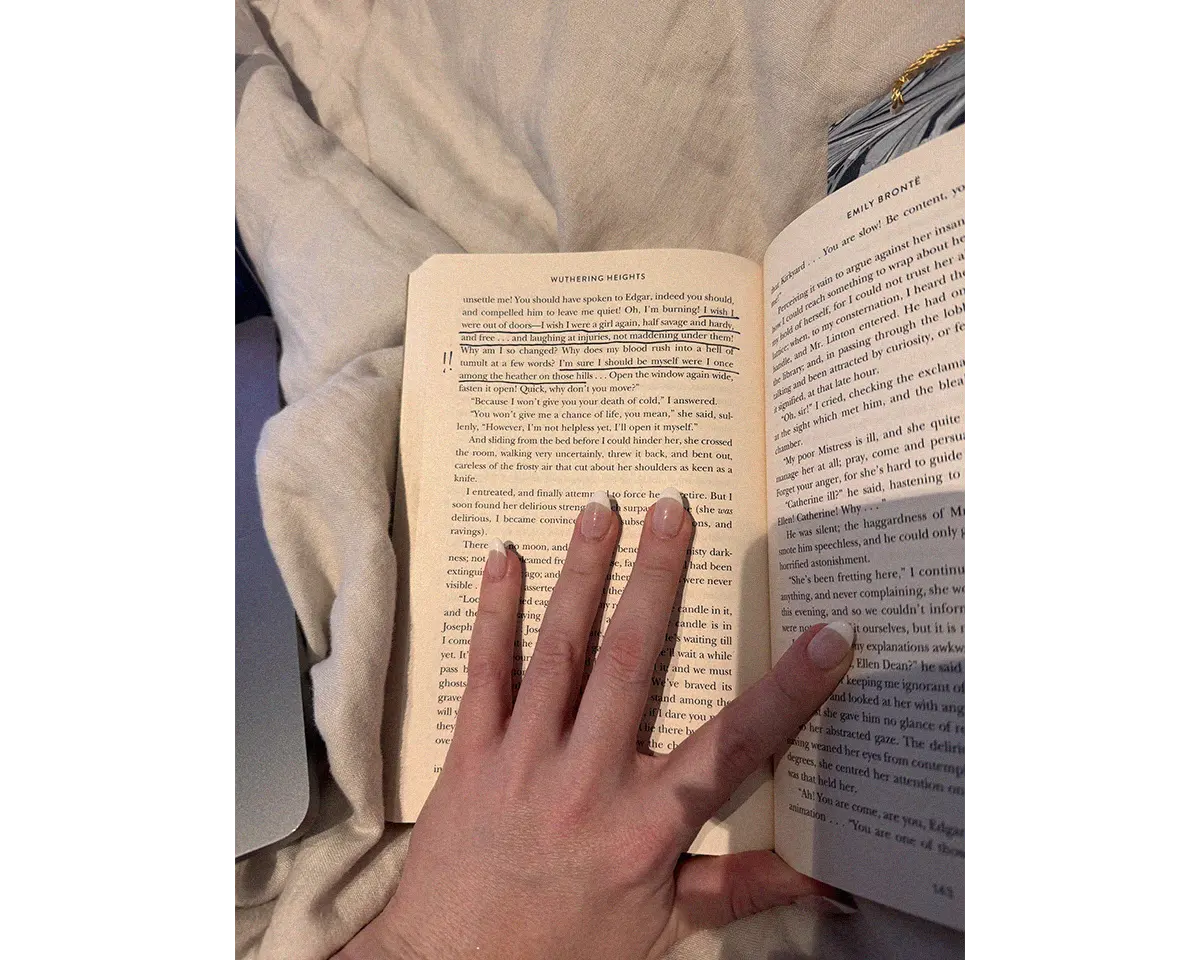
The entire book, to me, is summed up in this passage—it also feels so me (in all my most self-afflicted, self-sabotaging, or even self-loathing depth of feelings):
“I wish I were out of doors! I wish I were a girl again, half savage and hardy, and free; and laughing at injuries, not maddening under them! Why am I so changed? why does my blood rush into a hell of tumult at a few words? I’m sure I should be myself were I once among the heather on those hills. Open the window again wide: fasten it open! Quick, why don’t you move?”
“Because I won’t give you your death of cold,” [Nelly] answered.
“You won’t give me a chance of life, you mean,”
Cathy wants to feel, whether it's complete joy or ravishing pain because feeling something deeply, anything deeply, is feeling herself deeply. She grew up wavering between both emotional extremes.
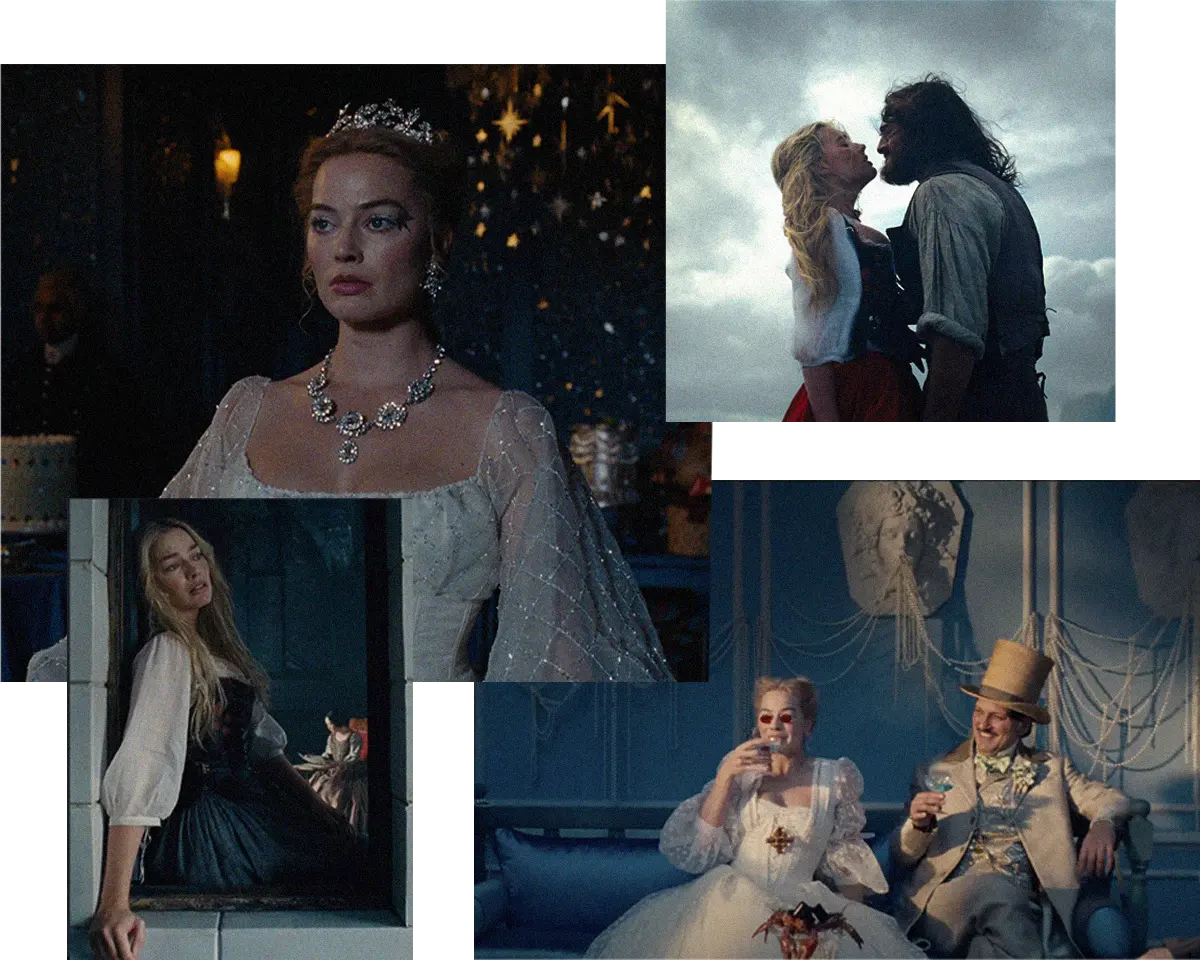
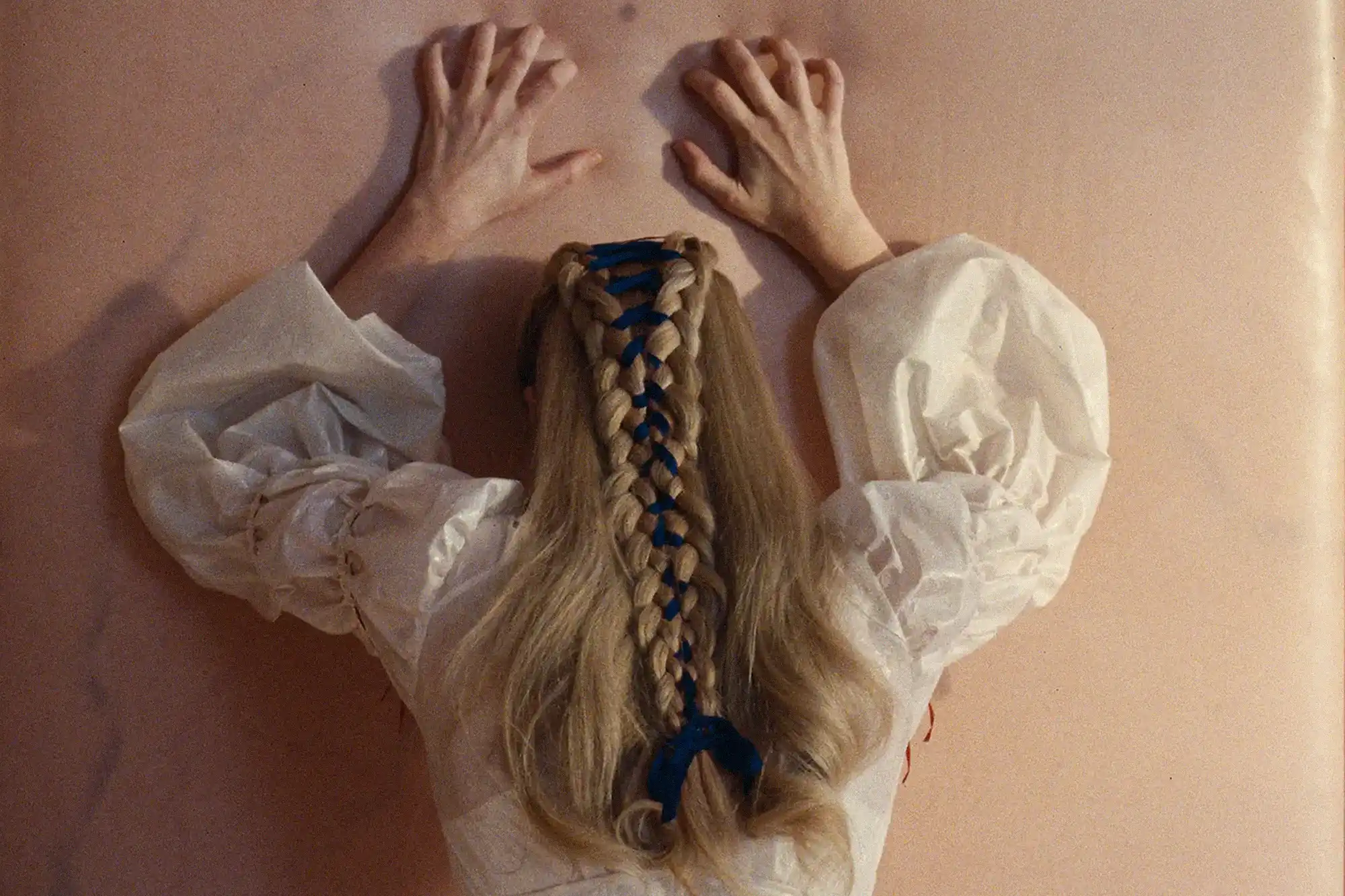
The reason I loved the Emerald Fennell movie is because it expanded on the feeling of an impassioned dream. It created metaphors for pain in the body that were fantastical, but also mirrored Brontë’s rich description of life that fills up a bottle and drips down the side of it. Fennell took singular lines from Brontë’s book and expanded them into entire scenes, motifs, stories. Harsh and brash language became a world of darkness interrupted by quiet moments of vulnerable vermeer lighting. The moors became the everpresent sound of wind, even indoors. Cathy’s control over Heathcliff was even presented as a voodoo doll in her hand to open the film, casually dangling from young Cathy’s palm. Each article of Cathy’s clothing began bright and became slowly dirtied and dyed wine-red, foreshadowing her fate and “alter[ing] the colour of [her] mind.”
The below quotes feel like the book personified into film, which I feel is rather indisputable evidence that the movie was, in fact, good art.
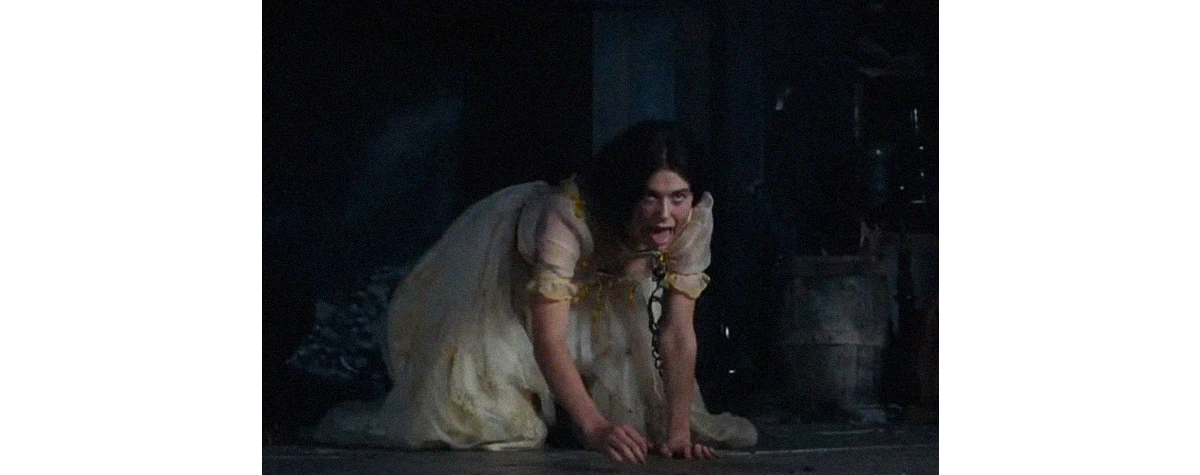
“The floor was of smooth, white stone; the chairs, high-backed, primitive structures, painted green: one or two heavy black ones lurking in the shade. In an arch under the dresser reposed a huge, liver-coloured bitch pointer, surrounded by a swarm of squealing puppies; and other dogs haunted other recesses.”
(Ch 1—Description of Wuthering Heights)
“His cake and cheese remained on the table all night for the fairies.” … “The notion of envying Catherine was incomprehensible to him, but the notion of grieving her, he understood clearly enough.”
(Ch 7—Heathcliff mad about Cathy’s being away)
“The soft thing looked askance through the window: he possessed the power to depart as much as a cat possesses the power to leave a mouse half killed, or a bird half eaten.”
(Ch 8—Nelly describing Edgar)
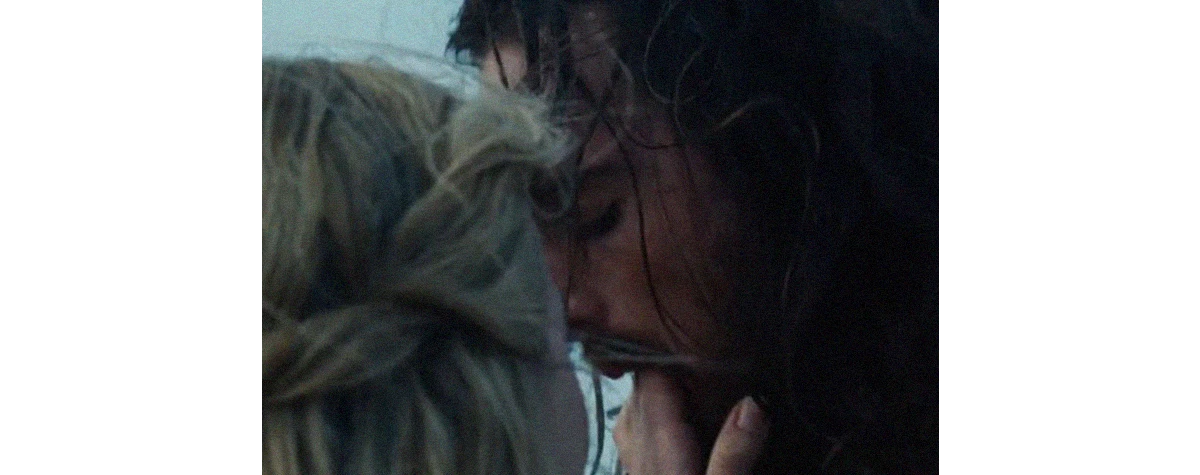
“Nothing—only look at the almanack on that wall;” he pointed to a framed sheet hanging near the window, and continued, “The crosses are for the evenings you have spent with the Lintons, the dots for those spent with me. Do you see? I’ve marked every day.”...“To show that I do take notice,” said Heathcliff.
(Ch 8—Heathcliff to Nelly about her time away)
“And so do I. I’ve dreamt in my life dreams that have stayed with me ever after, and changed my ideas: they’ve gone through and through me, like wine through water, and altered the colour of my mind. And this is one: I’m going to tell it—but take care not to smile at any part of it.”
(Ch 9—Cathy confesses to Nelly, describing her love like water to wine which is exactly what the white of Nelly’s dress looks like in many scenes where its stained red with emotion)
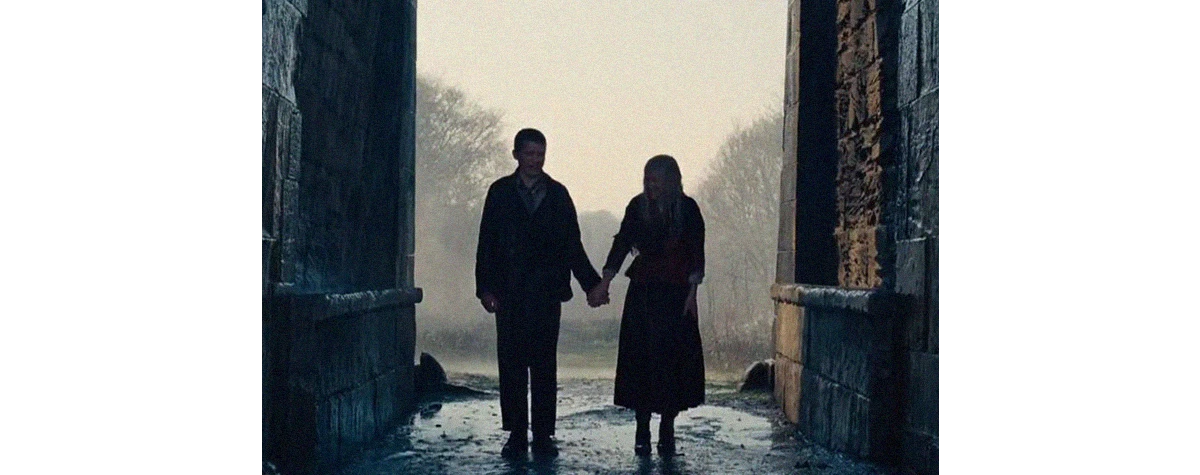
“It would degrade me to marry Heathcliff now; so he shall never know how I love him: and that, not because he’s handsome, Nelly, but because he’s more myself than I am. Whatever our souls are made of, his and mine are the same; and Linton’s is as different as a moonbeam from lightning, or frost from fire.”
(Ch 9—Cathy confesses to Nelly)
“He took a seat opposite Catherine, who kept her gaze fixed on him as if she feared he would vanish were she to remove it. He did not raise his to her often: a quick glance now and then sufficed; but it flashed back, each time more confidently, the undisguised delight he drank from hers. They were too much absorbed in their mutual joy to suffer embarrassment.”
(Ch 10—Cathy and Heathcliff lost in each other's eyes)
“...we must be for ourselves in the long run; the mild and generous are only more justly selfish than the domineering; and it ended when circumstances caused each to feel that the one’s interest was not the chief consideration in the other’s thoughts.“
(Ch 10—Nelly reveals she views the world as inherently calculated and unavoidably selfish as she describes Cathy and Edgar’s initial bliss fading into a returned obsession for Heathcliff)
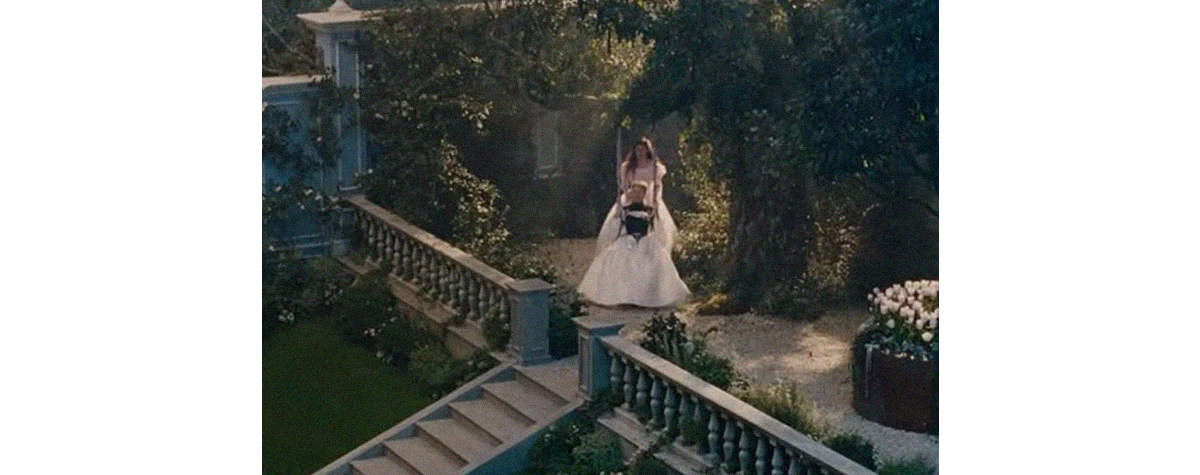
“It was not the thorn bending to the honeysuckles, but the honeysuckles embracing the thorn.”
(Ch 10—Nelly reveals her feelings about about Cathy as a thorn and the Lintons as sugary)
“Your veins are full of ice-water—but mine are boiling, and the sight of such chillness makes them dance.”
(Ch 11—Cathy to Heathcliff when he is not showing emotional movement from her proximity or existence)
“Mrs. Linton sat down by the fire, flushed and gloomy. The spirit which served her was growing intractable: she could neither lay nor control it.”
(Ch 11—Cathy about Heathcliff on the possibility of Isabella, and not her)
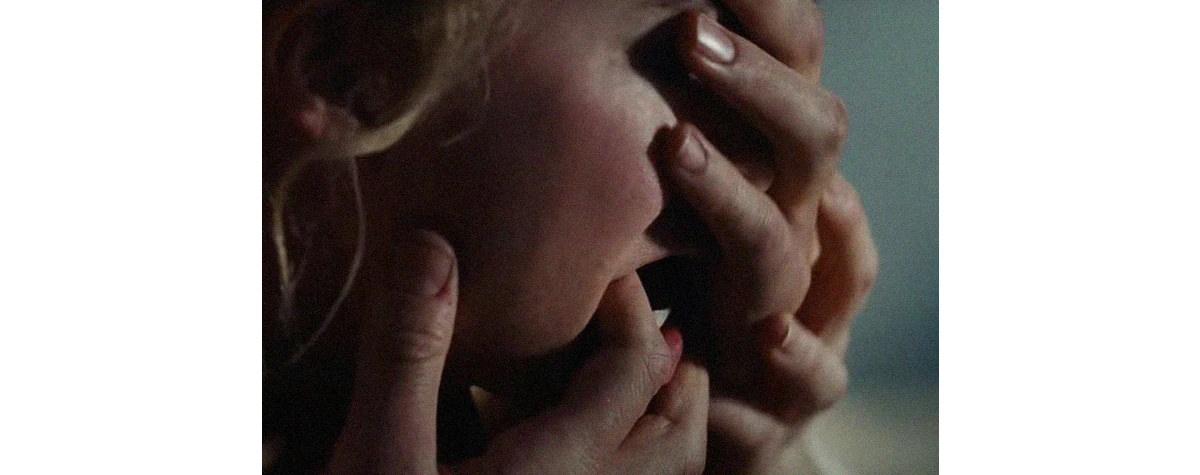
"I'm not wishing you greater torment than I have, Heathcliff. I only wish us never to be parted".
… "...he held her in his arms; and the agony of his soul was shown by his tight clasp, and the way he kissed her hair, and her forehead".
(Ch 15—Cathy dying)
“You have killed yourself. Yes, you may kiss me, and cry; and wring out my kisses and tears: they'll blight you—they'll damn you"... "I cannot live without my life! I cannot live without my soul!".
(Ch 15—Cathy dies)
"Be with me always—take any form—drive me mad! only do not leave me in this abyss, where I cannot find you! Oh, God! it is unutterable! I cannot live without my life! I cannot live without my soul!" (Ch 16)
"Catherine Earnshaw, may you not rest as long as I am living. You said I killed you—haunt me then. The murdered do haunt their murderers" (Ch 16—Haunting).
“The entire world is a dreadful collection of memoranda that she did exist, and that I have lost her!" (Ch 33—Heathcliff describing Cathy)
And within these lines, we got to live for a little. To immediately revisit the horrible, beautiful memories of toxic love and then to exit the theater. To enjoy the veil between lust and love and catharsis and destruction.
No matter how dark, these lines are drowning in a duality of feeling. One that reminds us that our most painful loves were the loves in which we lost ourselves and found ourselves at the same time.
Maybe that’s where modern romance lives now—not in some tidy choreography, but in a bruised, breathless mess of wanting more. Not where love behaves, but in the raw, reckless space where feeling draws blood and actually costs something.
Love stories don’t need to die, but if they can stop pretending we haven’t already been through the fire, they might get more buy-in. We want proof that passion can survive the burnout, that ruin can make people interesting, that the mess and the miracle are the same thing.
If Austen gave us propriety, Brontë gave us pain, and Bridgerton gave us foreplay, then maybe what comes next is the fusion of all three: a romance that knows it’s a little unhinged, a little self-aware, and still dares to want more. And that’s what Wuthering Heights, both the novel and the film, are for me. A depiction of where I am—where so many women I know are—caught between cynicism and ecstasy, craving something real enough to hurt a little, but beautiful enough to believe in again.