The Met Gala returns each spring as a familiar spectacle. Celebrities ascend the steps in garments designed to be seen and photographed—and to go viral—creating a scene that is somewhere between Carnaval, Halloween, and the Oscars red carpet. It is entertaining, extravagant, and never subtle. And this year, it has something to prove.
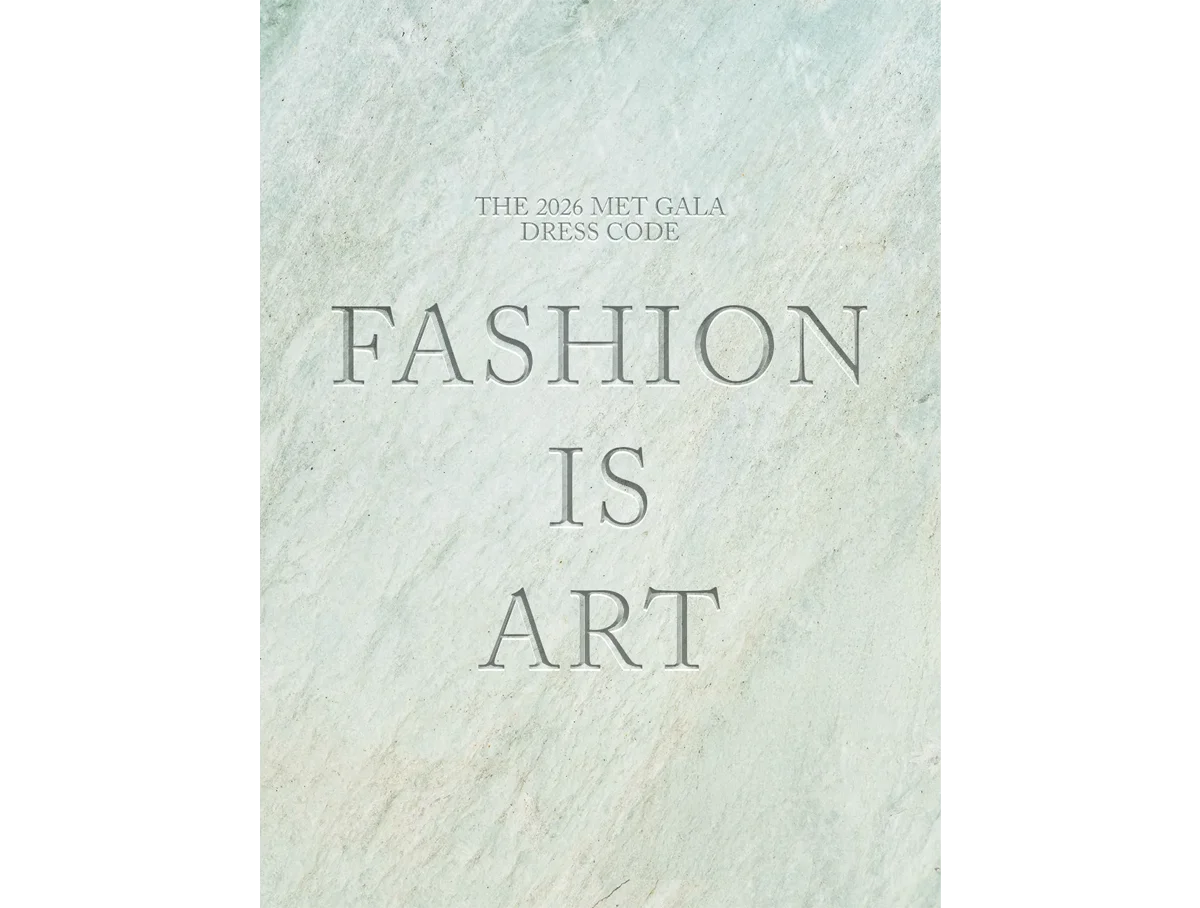
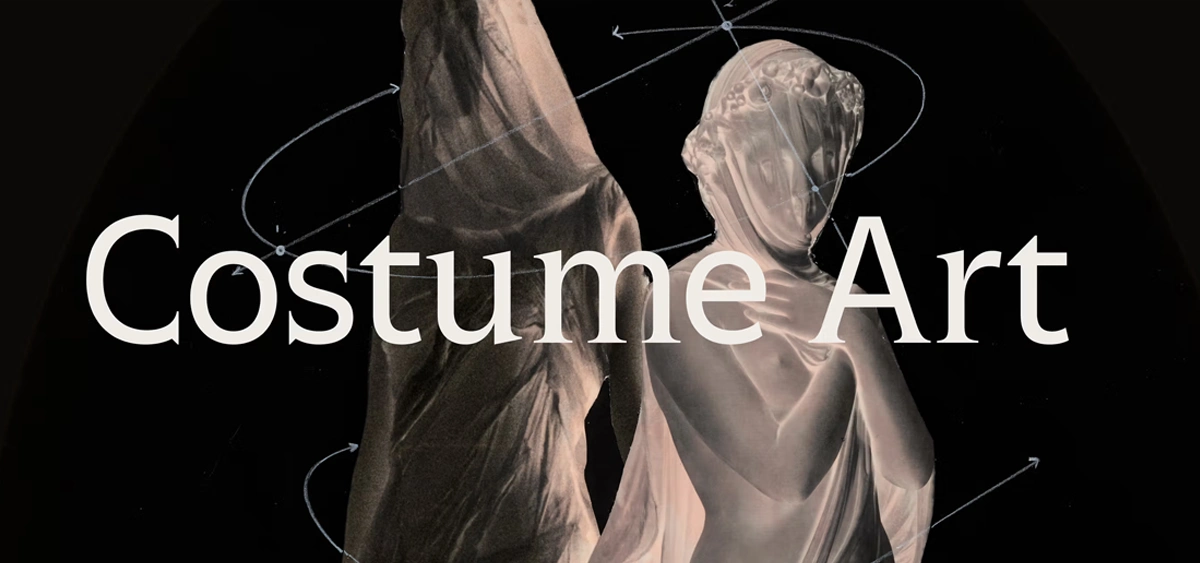
The dress code for this year’s Gala, “Fashion Is Art,” is aligned with the Costume Institute’s upcoming exhibition “Costume Art,” opening on May 10, in which the Metropolitan Museum of Art will make, through curation and location, one of its boldest claims yet: that fashion belongs alongside painting and sculpture as art in its own right, rather than as embellishment or cultural artifact. Inaugurating the Met’s new 12,000-square-foot galleries (made possible in large part by a gift from Condé Nast), the exhibition pairs garments with works from across the museum’s vast collections and centers the dressed body as a constant across time and culture. It is, in effect, an institutional argument for equivalency between fashion and the fine arts, two forms that, despite their constant entanglement, have not received the same critical esteem.
The Met is taking a stance in a long-running debate. The distinction between fine and applied arts has historically been framed around a core assumption: that art exists apart from function, to elicit emotion or contemplation. By contrast, functional objects—furniture, ceramics, and, yes, clothing—have often been understood as secondary, however artful their execution may be. Fashion, situated squarely within this latter category, is caught in a paradox. It is at once conceptual and technical, expressive and constrained by function, shaped by both creative intention and commercial realities. That tension has made its bid for fine art status a long shot.
If the case for art as fashion is to stand, it cannot rest on concept alone. Contemporary art has long expanded to accommodate the conceptual, the provisional, even the immaterial. But fashion operates under a different set of rules. A garment is worn, tested in movement and in time. It must dress a body and withstand scrutiny from every angle. In this sense, the idea is never enough. It is the execution that ultimately persuades. This is where craft enters the equation. Technique, construction, and material quality are the means by which the idea becomes legible. A poorly made garment cannot carry a strong concept—it reveals itself quickly. Fashion is experienced physically, and what is experienced is the work of making.

It is true that, at its most powerful, fashion has not merely reflected culture but actively shaped it. Christian Dior famously revived French fashion after years of German occupation with his 1947 “New Look,” whose sculpted silhouettes marked a decisive shift in postwar dress—reintroducing structure, volume, and femininity after years of austerity. The Bar suit alone—ivory shantung jacket, padded hips, wasp waist, and a black pleated skirt that swallowed yards of fabric Europe had only just stopped rationing—was an argument. That shift was not simply aesthetic. The New Look reordered proportion and movement, relying on precise selection and manipulation of fabric, resulting in a form that shaped the body rather than merely covering it. Its impact derived from the alignment of idea, craftsmanship, and cultural moment. This was fashion operating at the level of art.
But at a time when the broader fashion industry is largely driven by profit and speed, concept, craft, and technique are increasingly unaligned. As clothes-making has been outsourced to distant locations—the designer in one country, the seamstress in another—the integration of concept and execution has loosened with it, and fashion’s claim to art status has become harder to sustain.
So what is reasonable to expect from the Met Gala against this backdrop? A great deal, considering the people behind the event and their ability to shape the cultural conversation: Anna Wintour (arguably still the most powerful woman in fashion), the most celebrated designers working today, and an A-list of celebrities from Beyoncé to Nicole Kidman. It will be a feast of visual and material excess, as it is every year. But the dress code “Fashion Is Art” asks the carpet to make that case.
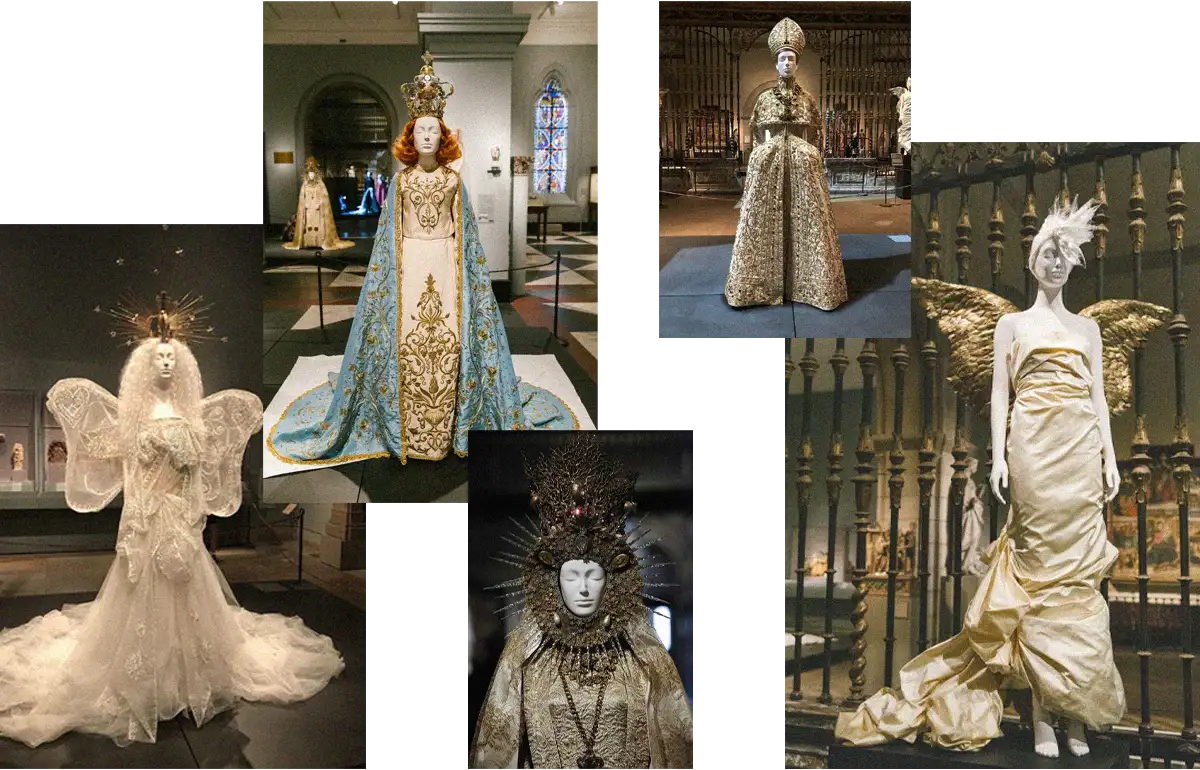
That premise came from Andrew Bolton, whose curatorial work—most notably on the 2018 exhibition “Heavenly Bodies: Fashion and the Catholic Imagination”—has consistently framed fashion through conceptual lenses more commonly associated with art. The Gala, however, operates under different forces. The curatorial statement is translated for styling, visibility, and the logic of the image, where success is measured in how shareable a look is online. What I want to see is this translation: whether the vision of fashion as art holds as it moves from gallery to red carpet and into the cultural conversation, or whether it dissolves into the spectacle. Will the intricate beads, sculptural fabric, and formal innovation of a gown attract attention, or will conversation stop at who wore what, never reaching why it was made that way?
If the curatorial concept is to hold, it must do so with clarity. To speak of art is to speak of making, so I will look for inventive design as much as for recognition of the craftspeople who realize it. I also want a clearer acknowledgment of the wearer as an active participant in the work, rather than as a famous body conveniently modeling the look. I will listen for moments when the conversation moves from "who" to "why"—when the wearer can speak to the look as a co-creator, much like an actor can speak to the character she plays.
I’m hopeful that the Gala can spark a renewed interest in style as an expression of identity. A garment does not simply present—it reveals and it withholds, offering a version of the self while protecting another. Identity, in this sense, is constructed through choices of form, color, material, and proportion, something performers like Lady Gaga understand, treating fashion as a medium for staging and restaging the self.
The Met Gala is ultimately a fundraiser, and its success will be measured first on dollars made. But this year has the power to mark a turn in how designers think about making and how people think about dressing. Such a significant cultural moment is difficult to create, but easy to recognize when it appears. If a revived cultural conversation around the art-making of fashion ignites on Monday, it will mark more than a successful Gala. It will suggest that a new generation of artists is eager to approach dress as a way of thinking about who they are and how they choose to be seen. And that we as a culture might just be one step closer to giving them the recognition they deserve.
Suggested Reading
“Everything You Need to Know About Christian Dior’s New Look Silhouette” by Laird Borrelli-Persson, Vogue, March 2024.