Writers love to complain about how dreadfully, painfully, unbearably miserable the process of writing is—and I am one of those writers. For all its joys, its catharsis, its inexplicable satisfaction (but only when the writing is done), it is equally distressing, terrifying even, to put pen to page. I have balled up on the floor in agony at the threat of a re-write, I have held back tears (and fears) mid-critique, I have snacked until the last crumb of salt in my spacious snack drawer has been swallowed and my belly aches—a justifiable trade if it distracts from the emotional ache of a first draft. Because, anything, I tell myself, is better than that feeling of floundering as I watch, with fluttering anxiety, like a skeptical but knowing observer, my own inability to precisely pinpoint what I want to say.
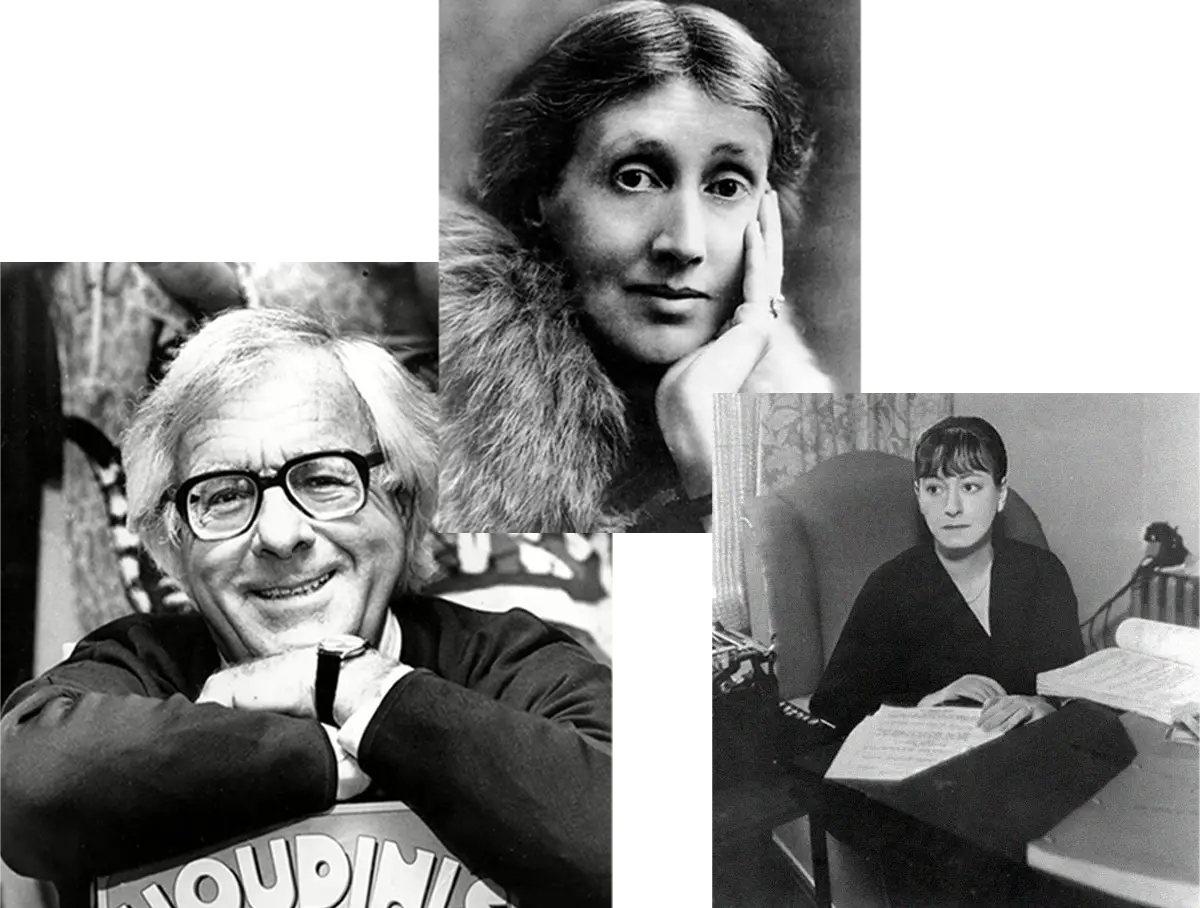
Now let me be clear, I am not naive enough to believe (though I once, pitifully was) that this dysfunctional, pathological relationship I have to writing is something I can claim as my own. Ray Bradbury called writing “a dreadful exercise, a terrible occupation.” Virginia Woolf described the typical writer who, “wrote and it seemed good; read and it seemed vile, corrected and tore up; cut out; put in; was in ecstasy; in despair… snatched at ideas and lost them…and could not decide whether he was the divinest genius or the greatest fool in the world.” Poet, writer, and lit critic Dorothy Parker wrote, “If you have any young friends who aspire to become writers, the second greatest favor you can do them is to present them with copies of The Elements of Style. The first greatest, of course, is to shoot them now, while they’re happy.”
I could go on, but you get the idea.
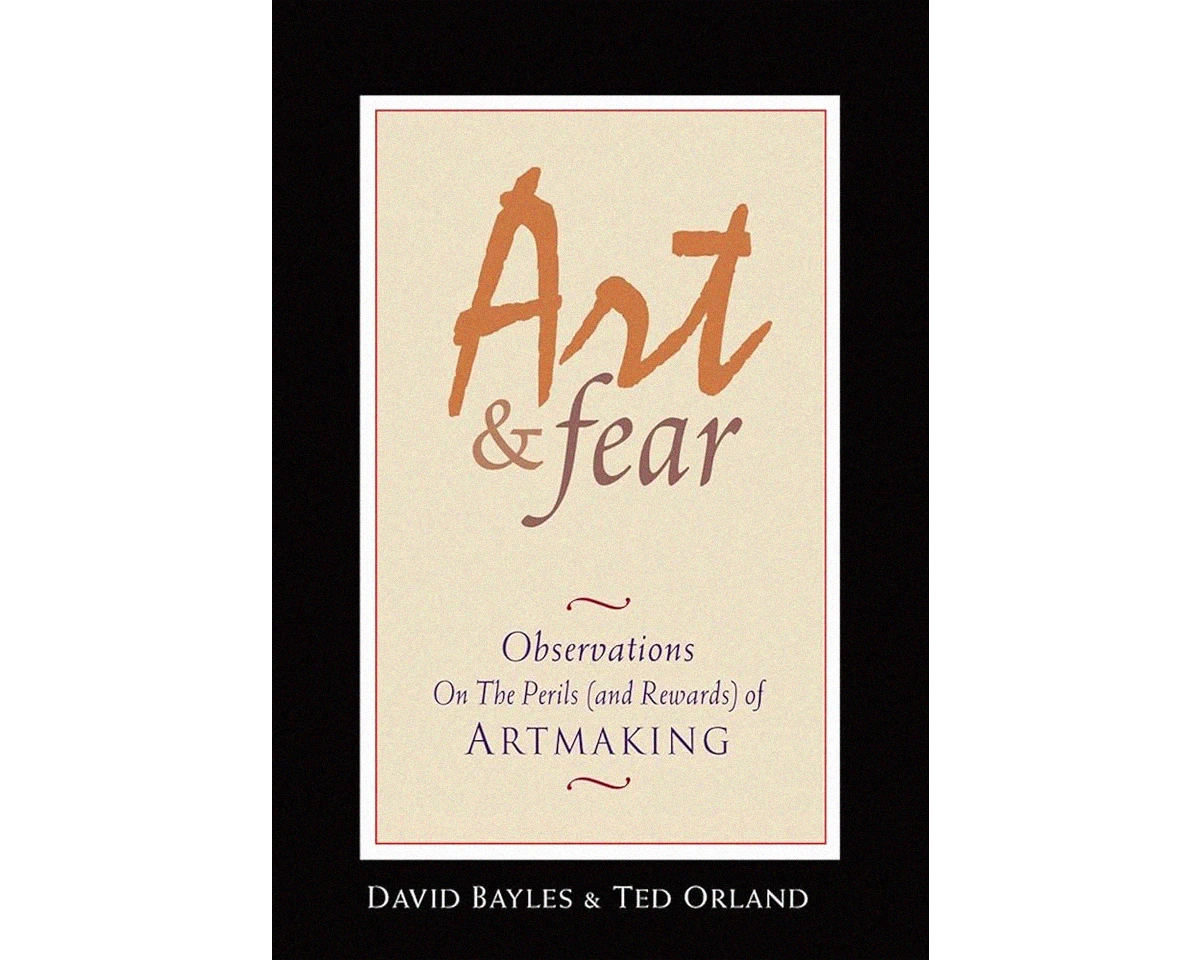
These are particularly bleak examples, I know. But if you wanted to seek out 100 more, you could easily find them—writers gleefully chronicling the perils of writing. The abundance of writerly complaints (ironically, mostly written) confirms what David Bayles and Ted Orland describe in their 1993 book Art & Fear: that if writing is an art, then writers are artists, and every artist experiences a gap between the work of her dreams and the work she can actually execute or make tangible. When fear is involved (and it always is), that gap widens. Unfortunately, as they put it, “when you [as an artist] act out of fear, your fears come true.”
In grad school, as if conducting a controlled experiment to test out this very idea, I waited to revise my creative writing assignment for my Longform Essay class (the only assignment of the whole semester), taught by our inimitable program Director Katie Roiphe herself, until the night before the final draft was due. A draft had already been ripped apart (or so it felt) during a full-class critique, and I was so confused over what direction to take it—and so grimly sure of my own inadequacy—that I had already spent upwards of 40 hours editing it, in pure, excruciating misery, to no improvement. Finally, resolving to give it space and work against the deadline, something utterly against my nature to do, I edited it through the night, taking anxious jabs at revisions that felt, in the moment, entirely half-baked. Degrading myself with each hesitant clack of the keyboard, I lambasted myself, my work, my talent, and my intellect, until I teetered on the verge of a panic attack, and as 6am approached, wrote a short, anxiety-ridden email to my professor telling her that my essay was not where I wanted it to be, and that I would be spending the summer learning to take care of myself and tending to my debilitating self-doubt.

In retrospect this is hilarious, in the moment, it was not. What is laughable now is just how predictable my experience was—so universal that Bayles and Orland describe it in one sentence: “Making art precipitates self-doubt, stirring deep waters that lay between what you know you should be, and what you fear you might be.” They continue, “If artist equals self, then when (inevitably) you make flawed art, you are a flawed person.” That was exactly it. In crisis, in fear, and frozen in inaction, I had never felt so irrevocably flawed.
If I had been Professor Katie, I might have responded with some words of wisdom, something like, Oh this happens every year, you’ve shown yourself to be more than capable—you know, something at least mildly assuaging. But she never responded and I got an A- in the class. By the start of the next semester, my classmates began to open up to me, sharing similar tales of breakdowns from the semester prior—”yeah my nail-biting got sooo bad,” “my insomnia was terrible,” “I had to ask for a remix of my drug cocktail.” Turns out, I was a lot less alone than I thought.
We all fear failure—isn’t that what makes us human? I would be lying if I said I’ve overcome self-doubt. Quite the contrary is true: crippling whispers of inadequacy appear every damn day. I have not “made it” as a writer and right now, I’m not necessarily on a path that will cement me as one. At least not in the climb-the-byline ladder to book deal sense. And that’s not because I don’t think I’m good enough (well some of that does linger), but because I still find genuine pain in the process, and as a ceramic and collage artist as well, I’ve discovered other forms of art-making that, at this moment in my life, generate more reward. Well, perhaps not more reward, but more instantaneous satisfaction. Maybe it’s that getting better at writing has taught me what kind of pain I’m willing to live with for art—and what kind I’m not. If I can pair a little writing with ceramic work, I can balance out the psychic excavation that writing demands with the whimsical play and forgiveness that clay allows. A blog here, an art review there. For now, that’s enough.
Until I return to the page and realize I still have more to say.