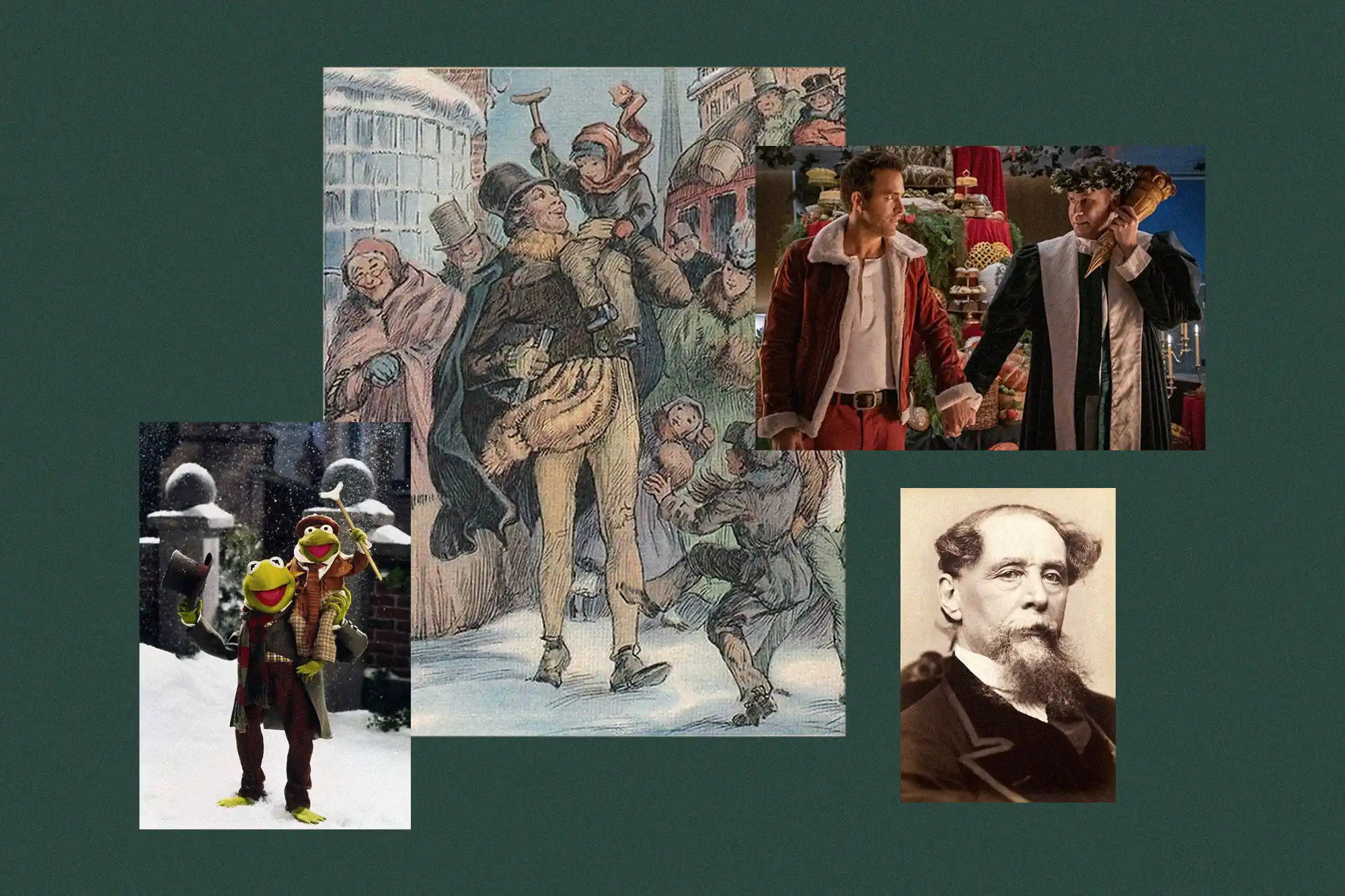
Charles Dickens’s 1843 novella, A Christmas Carol, is undeniably captivating, but does that explain the constant resurgence of its relevance every holiday season? If you haven’t read the original classic, you’ve likely seen one or more of its countless film adaptations, including The Muppet Christmas Carol from 1992, the 2009 animation featuring Jim Carrey, or Spirited with Will Ferrell and Ryan Reynolds from 2022. Despite our oversaturation with all things Christmas related every holiday season, the popularity of this particular tale seems resistant to any holiday fatigue. In 2026, two new adaptations are set to release, both starring A-list actors as Ebenezeer Scrooge: Johnny Depp and Willem Dafoe. This begs the question: is modern Western society drawn to the Christian values of the original text or has the story become a pop culture staple of Christmas-time lore? If it’s truly the tale’s Christian narrative arc that keeps us returning to it, could it be that themes of justice and redemption are not just Christian values, but Western ones?
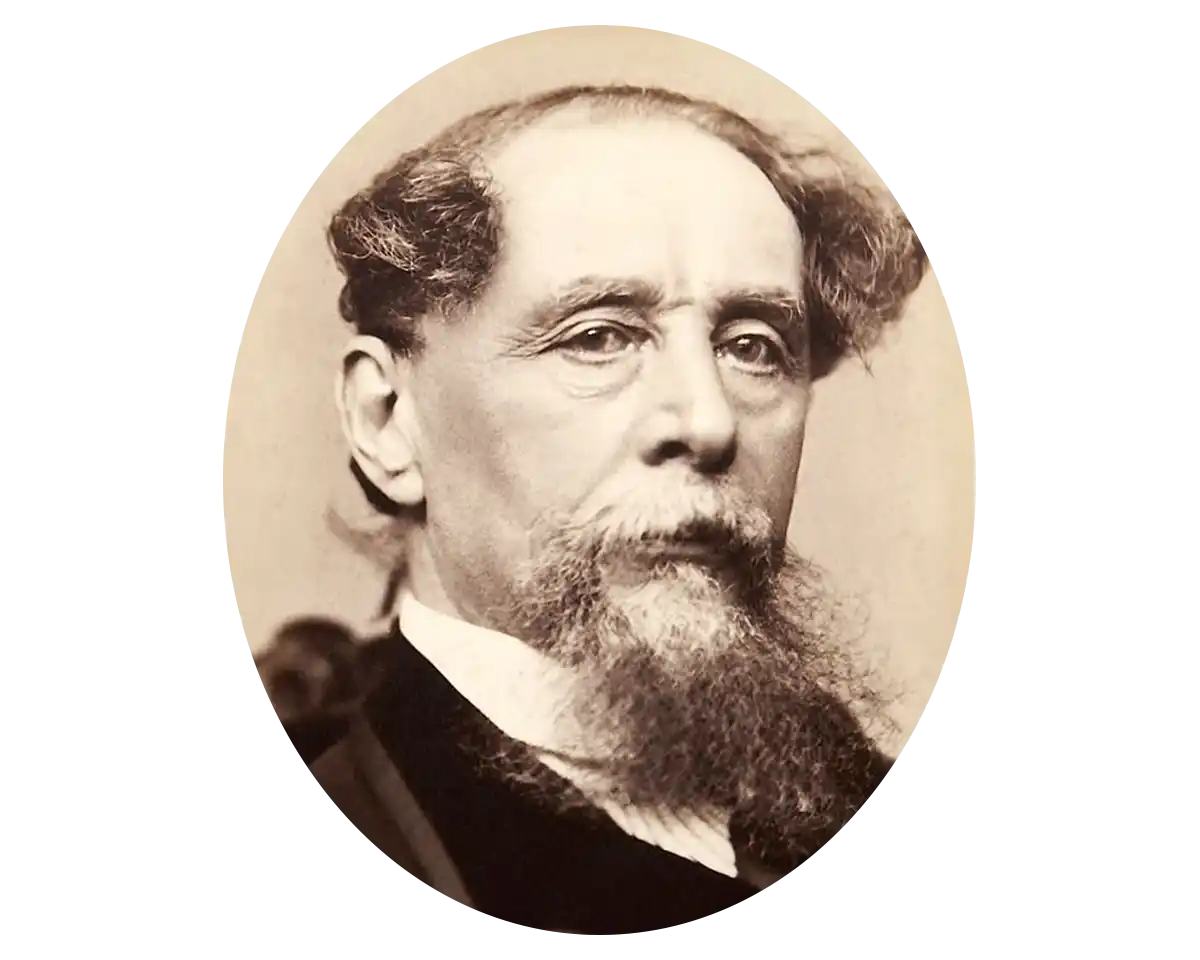
When Charles Dickens was born in the early 1800s, Britain was in a period of intense religious tension and transformation. The fledgling writer developed a complex relationship with Christianity, being an appreciator of biblical Christianity but a criticizer of the organized church. He considered the practices of the Church of England intolerant and highly performative, finding particular error in its teaching of generosity and almsgiving. He saw the Church’s condemnation—and total neglect—of the poor to be an act of hypocrisy. This dissatisfaction with institutionalized religion is seen throughout A Christmas Carol; Dickens offers that Christianity should practice, rather than solely preach, moral righteousness.
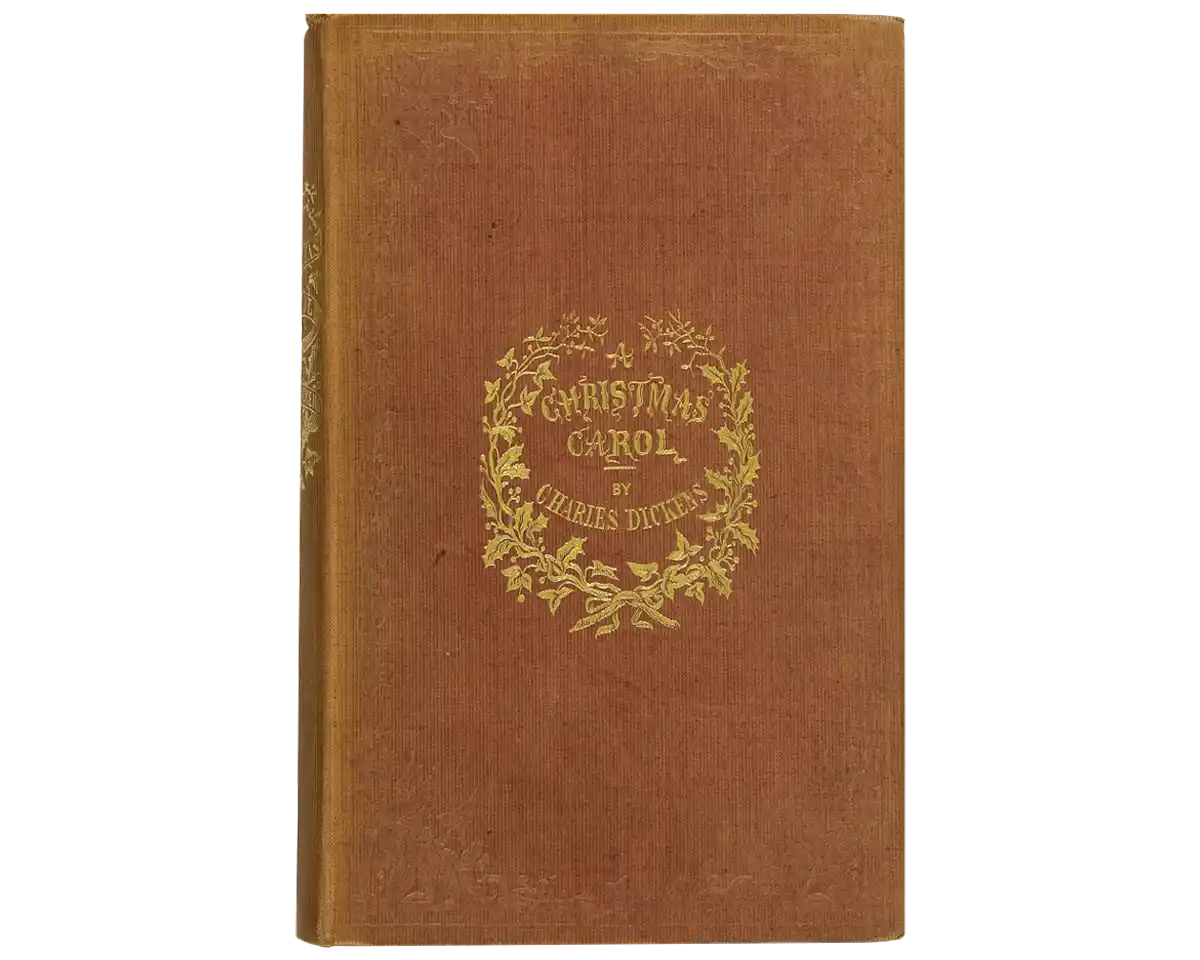
At the same time, however, Dickens believed the lessons of the New Testament to be morally righteous and pushed for his children to study the Bible. When Dickens began A Christmas Carol at 31, he had already written a few Christmas-themed stories, but this was the first in which he made his moral vision and critique of the Church of England explicit.
Christian imagery and explicit and implicit references to the New Testament’s moral teachings are deeply embedded in both the plot and moral architecture of the novella.
The holiday story follows Ebenezer Scrooge, a miserly, unhappy man, who takes pride in being the opposite of charitable and kind. In a life-changing moment, an old business partner’s ghost visits him, warning him of his unfortunate future lest he fail to become more compassionate towards others. Named Marley, the ghost tells Scrooge his spirit will pay the price of his sins, condemned to “wear[ing] the chain [he] forged in life,” the very predicament Marley found himself in after death. Marley’s account of the afterlife draws on the assumption in Christian philosophy that those who reject the teachings of Jesus Christ will be subjected to eternal damnation. There is redemption, however, for those who find faith—a path Scrooge ultimately follows and which becomes the moral arch of the story. In pop culture, Scrooge has arguably become the most well-known symbol of the belief that people can redeem themselves—morally and spiritually—before they reach a point of no return.
So, does the continued resonance of this story of redemption owe itself to its approach to Christian theology, our obsession with Christmas stories, or to the popularity of Dickens as a writer?
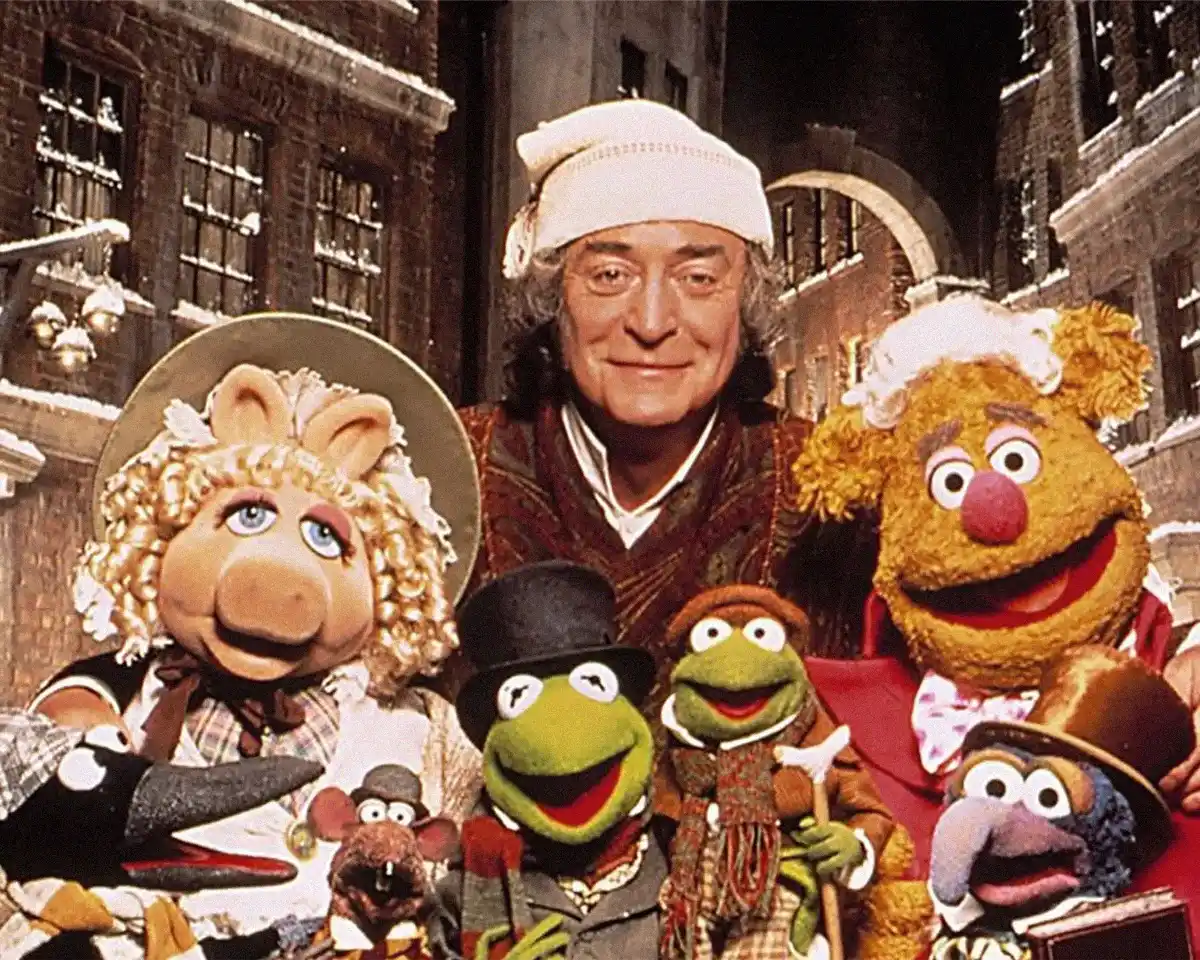
Let’s look at one of the most faithful adaptations: The Muppet Christmas Carol, which preserves Dickens’s intentions, highlighting its Protestant Christian undercurrents. Released in 1992, over a century after the original novel, it retains Dickens’s common themes of sinfulness, redemption, and generosity. This retelling puts a particular emphasis on almsgiving, framing familial love as the motivator of charity. As Scrooge reflects on the significance of love, he suddenly sees a cross-shaped hole in the wall at the home of a family of mice, motivating him to be a more philanthropic figure. Although the film more explicitly highlights the importance of close family ties for overall wellbeing, it also subtly expresses the role of Christian values in moral goodness.

Spirited (2022), on the other hand, takes on next to no explicit and implicit references to Christianity, portraying the idea of redemption as a quality available outside of religious ideology. The film centers on the idea that redemption is possible for everyone with the help of others, moving the redemptive power away from a divine figure, like Jesus Christ, and toward humanity. Although Christian theological beliefs have become progressively less relevant in modern media, traditional Christian family values have been embraced more readily.
These films are indicative of the general movement away from Christianity’s relevance in modern media, with Dickens’s original 1843 story being the most explicitly Christian and the most recent (Spirited) being the least Christian. Moreover, Dickens’s own unique take on the religion indicates his role in this development. His distinction between scriptural practice and institutionalized religion is indicative of the beginning of a slow movement away from Christianity as a required, unquestionable framework for Western culture and media.
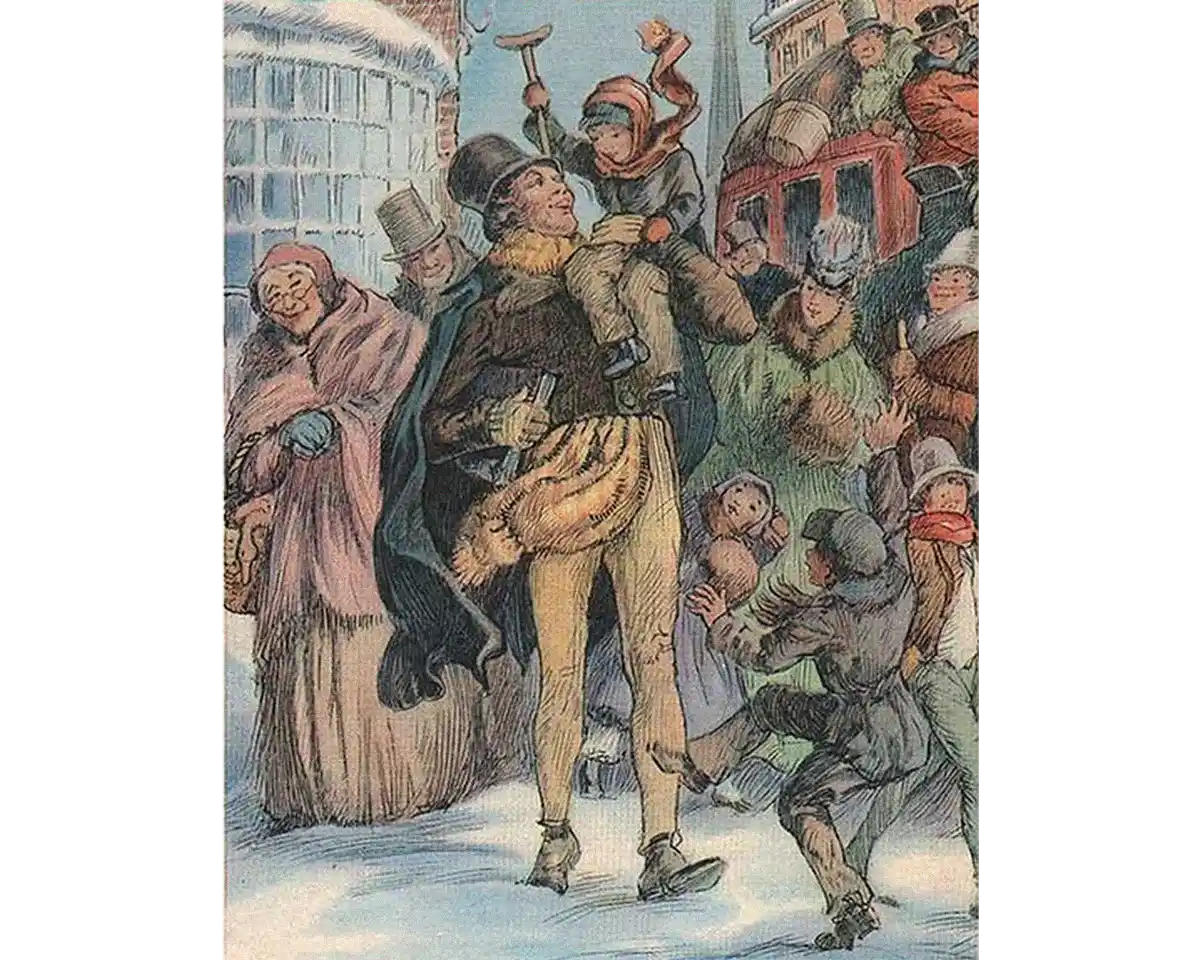
Also worth considering is the fact that while references to Christianity have eased in modern renditions, they include profuse references to Charles Dickens himself, often drawing on his status as a literary celebrity. This is visually expressed in the Muppet version of the story, in which the Ghost of Christmas Past allows Scrooge to revisit his primary school years. While the scene rolls, the narrator, representing Dickens himself, sits on a shelf with sculptures of other culturally significant figures such as Aristotle, Dante, and Shakespeare. The shelf begins to fall under the weight, with the busts falling down before Dickens. This scene visually exhibits Dickens’s cultural significance overwhelming that of the other figures, leading them to fall from importance.
In an increasingly secular society, why does a Christian-inspired story remain so widely popular? The movement away from explicit religiosity in The Muppet Christmas Carol and Spirited speak to the diminishing importance of Chrisitanity in the modern media. However, this may be precisely the reason A Christmas Carol has become a holiday staple: Western society craves the redemptive qualities the story carries. The themes of charity, love, and grace speak to the moral demands of society, and through his complex personal relationship with faith, Charles Dickens offers the perfect outlet for such needs.