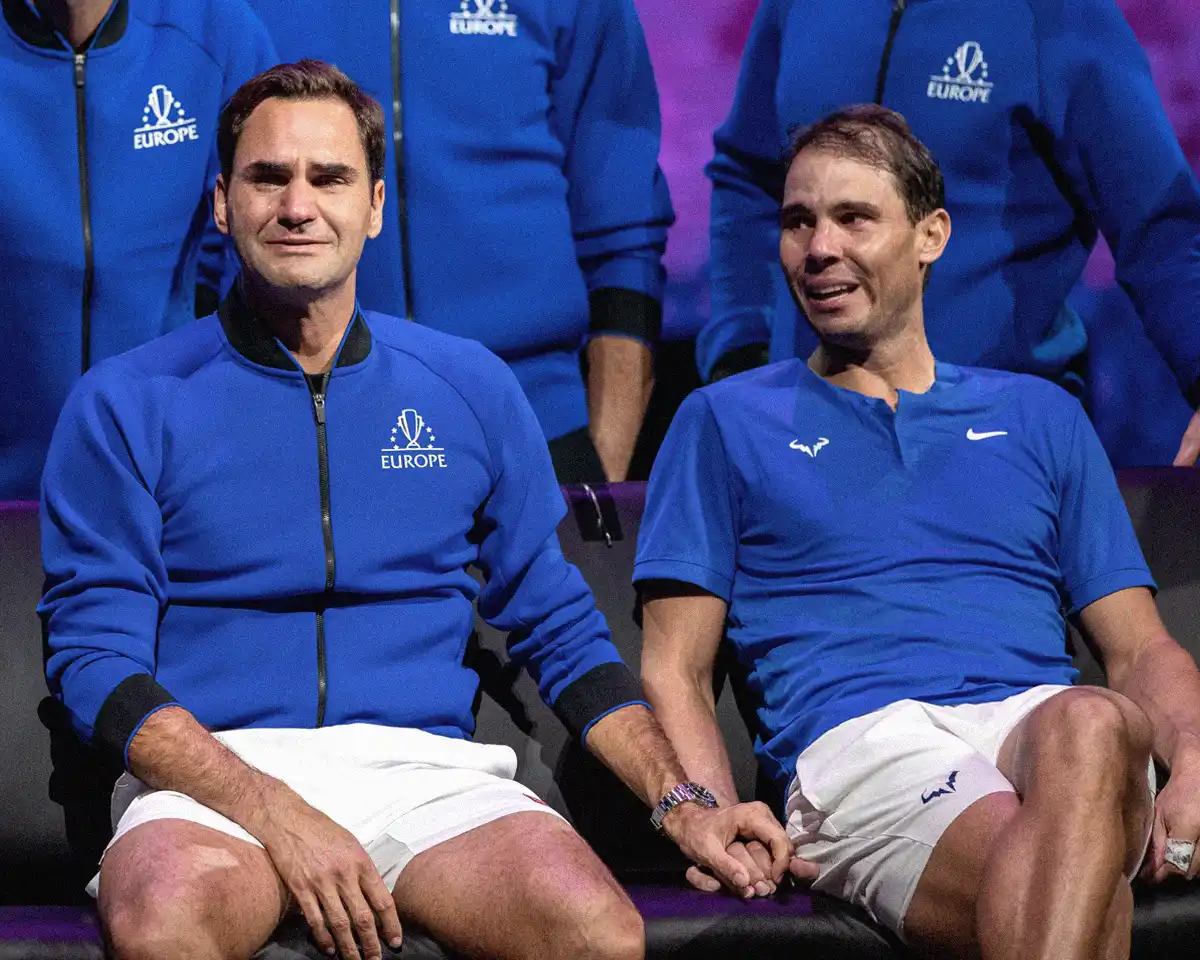
What if we treated stories like Heated Rivalry and Wuthering Heights as guides to masculinity, not just entertainment? In a moment when masculinity has become a major cultural flashpoint (think of the debates sparked by Adolescence from 2025 and its dive into toxic masculinity and the manosphere), how men are shown feeling and loving on screen matters more than ever. Representations of healthy, vulnerable masculinity in art and sport are vital, not only for audiences, but for the boys and young men learning from them. Consider how the image of Roger Federer and Rafael Nadal holding hands and crying at Federer’s 2022 retirement ceremony went viral—a rare moment of male athletes displaying raw emotion publicly, and on camera. In its own way, Heated Rivalry picks up that thread, offering a story where male athletes’ tenderness, fear, and longing are taken just as seriously as their performance on the ice.
Despite being drastically different mediums from two different epochs, it’s no coincidence that Heated Rivalry—the 2025 hit HBO Max show based on Rachel Reid’s 2019 book series—and Wuthering Heights (1847) are having a moment at the same time. Both explore how masculinity is constructed and policed. In Heated Rivalry, a smash‑hit series about two rival pro hockey stars who must keep their long‑running love affair secret from their teams and the public, Ilya and Shane are expected to perform the role of the “perfect” public figure. And in the hyper-masculine culture of ice hockey, that persona is one of heteronormativity and emotional restraint. Adding to the complexity, both characters’ different cultural backgrounds mark them as outsiders in ways that intensify the stakes of being queer in this world. Shane is acutely aware of being seen as an “Other” by the media and the MLH because of his Asian heritage. Ilya’s identity is wrapped up in his Russian background, and the possibility of shaming or being rejected by his family is too much to bear. His brother’s open homophobia only confirms for him that being different is dangerous.
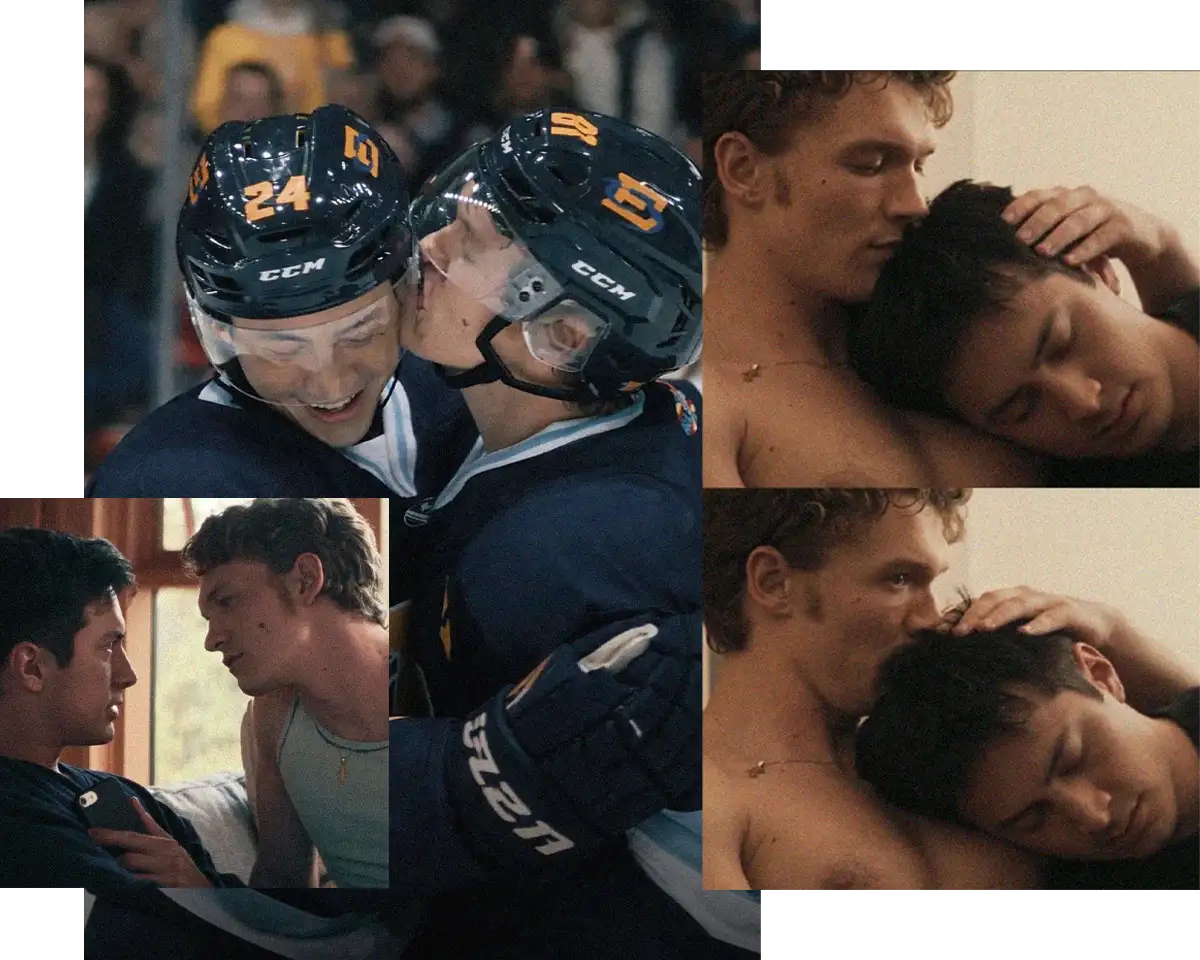
Of course, the idea that both Shane and Ilya want to fit into their world of sport makes sense, particularly when they are so driven to be the best athletes they can be. Shane understands the importance of his Asian representation in hockey and doesn’t want to let down his parents or his younger fans, even as he feels the weight of their expectations. For Ilya, coming out would mean losing the ability to support his family financially, the freedom that hockey gives him to spend so much time overseas—and, ultimately, the chance to see Shane—while also risking death in his home country if his sexuality is exposed. Heated Rivalry shows how, even now, it can be dangerous for male athletes to live openly as gay, reminding us that queer‑inclusive norms still have not reached every corner of society.

Written nearly two centuries earlier, Wuthering Heights takes up many of the same questions about being ‘enough’ as a man but lets them boil into something much darker. Heathcliff knows he is seen as not good enough—by Catherine’s world, by Hindley, and eventually by himself—and wishes he was different: “I wish I had light hair and a fair skin, and was dressed, and behaved as well, and had a chance of being as rich as he will be!” Societal pressures surrounding class, race, and wealth are influential in Heathcliff’s undoing. He veers down a destructive path as he becomes his own tormentor. Sadly, his tyrannical behaviour passes on through to the next generation. Emily Brontë shows us how devastating it can be for a man to feel as if he has failed to measure up to dominant ideals of masculinity. Unable to heal from the shame he internalizes, he is cruel to his own son who adopts similar characteristics.
Initially, Ilya doesn’t seem all too dissimilar to Heathcliff, despite his queerness being revealed to viewers early on. Yet he hides his sexuality from the world, builds a volatile reputation on the ice and relishes in the chance to rile other players up. We soon see, however, how Ilya defies many of the conventions of the bad boy stereotype. He always establishes Shane’s boundaries—so much so that he has been hailed the “Consent King” by Heated Rivalry fans. However, Ilya’s extroverted public persona contradicts his internal conflict, caused by his family’s turbulent dynamic. His behaviour is tied to his grief for his late mother and his belief that he doesn’t deserve love. He calls himself lazy because he’s used to hearing it from his father. When Shane tells him he doesn’t see that side of him at all, it leads to their first truly intimate encounter. It doesn’t heal Ilya’s wounds, but it is one of the first moments that unsettles his belief that he doesn’t deserve love. Heated Rivalry gives us the kind of brooding, complicated hero Heathcliff promised but never was, one who learns to love without destroying everyone around him.
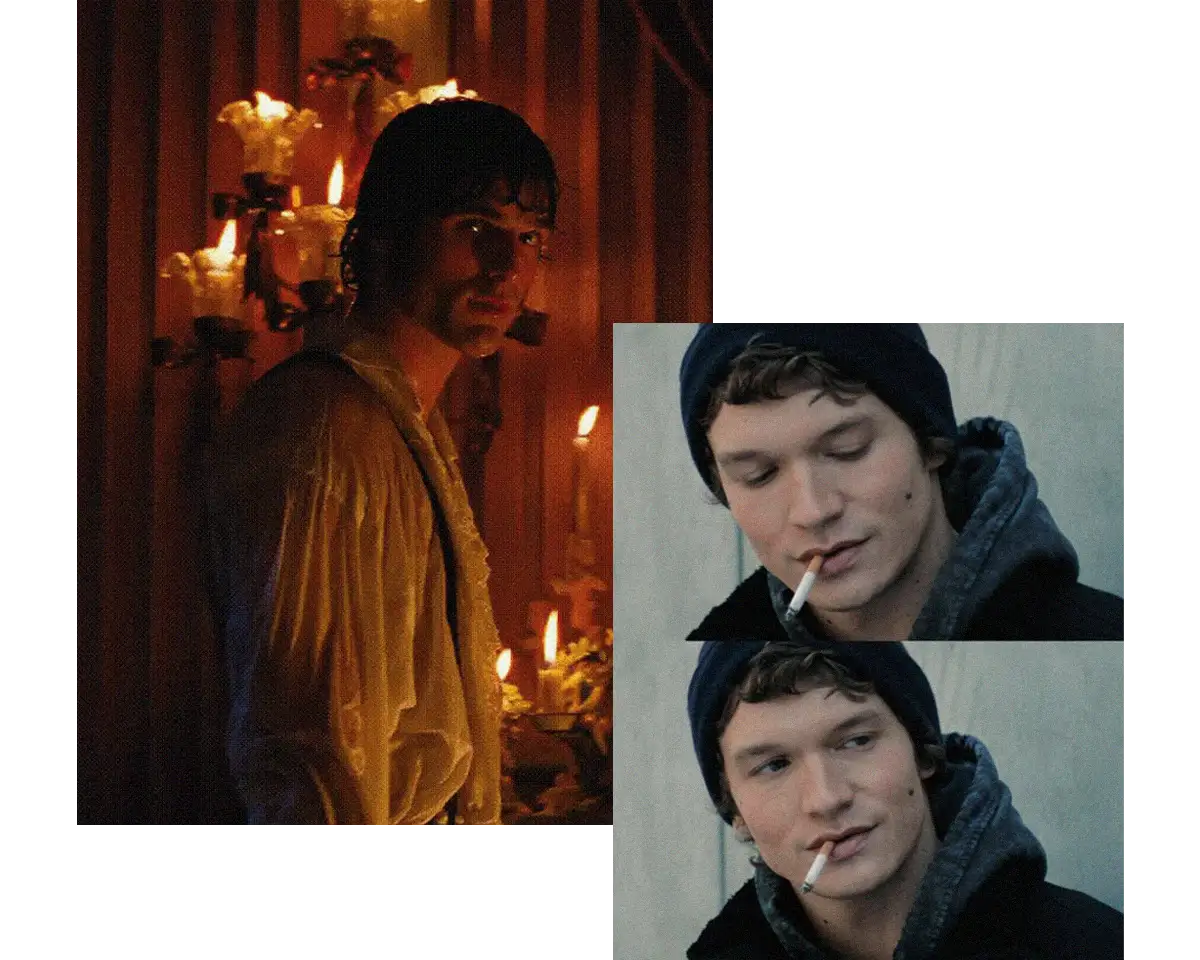
If Ilya begins to learn how to break the cycle of hurt, Heathcliff does the opposite. Rejection is the spark that sets off the destructive behaviour of both characters. Ilya feels rejected by Shane when he abruptly leaves after Ilya risks being vulnerable with Shane. When Heathcliff believes Cathy is rejecting him, he disappears before returning to Wuthering Heights years later for revenge. With both Heathcliff and Ilya having already endured childhood trauma, rejection fuels both of them to lash out. Ilya finally lets his guard down when Shane is honest about his sexuality and his feelings for him. The dangerous fragility of their behind-closed-doors relationship comes into full focus after Ilya reveals his fear of being unable to return to Russia. This danger is made vivid in the scene where he breaks down over his fear of never going back to Russia and Shane holds him while he cries, subverting the traditional image of male athletes who can only cry or get physical with each other in a sports related context. It presents a stark contrast to the earlier All-Star Game scene when Ilya kisses Shane on the ice rink after they score a goal, the only time they would not be questioned for being so openly affectionate.
The Tampa hotel room scene puts male tears, fear, and tenderness between athletes on screen as something serious and worthy, not shameful or laughable. Unlike Ilya, Heathcliff doesn’t have the same strength or support to break the cycle of trauma and abuse. He’s almost self-flagellating in how he wants to be tormented, even beyond Cathy’s death: “Be with me always—take any form—drive me mad!” In contrast, Ilya is the voice of reason when Shane has a panic attack after Shane’s father discovers their secret. Shane describes the situation as his nightmare and Ilya calms him down, gently telling him it’s time to wake up. Whereas Heathcliff can’t cope with the reality of life without Cathy, Ilya guides Shane to face reality and come out to his parents. Heathcliff is incapable of allowing himself to feel happiness. As the younger Catherine points out, “Your cruelty rises from your greater misery!” He doesn’t have anyone in his corner, unlike Shane and Ilya, who have the support of Shane’s parents. Even though there are obstacles still ahead, they know they can face it together. We see here how love in all its forms fuels positive masculinity.

Ilya and Shane’s ability to confront their own hard emotional truths impacts their treatment of others. Unlike Heathcliff, they are not driven to punish or dominate the people they love, including the women in their lives. While Heathcliff has often been misinterpreted as a romantic hero, his love for Cathy borders on an obsession that appears to defy death itself. More than a character, Heathcliff has become a blueprint for the desirable, brooding man who mixes torment, charisma, and destructiveness. But Brontë’s novel underscores the destructiveness of Heathcliff’s character rather than endorsing him as an ideal romantic hero; later romanticized versions of Heathcliff risk glamorizing dangerous patterns of male behavior. It’s our responsibility, as readers of the classics and viewers of their modern adaptations, to recognize men as complex rather than one‑dimensional—and to resist the fantasy that we can ‘fix’ broken men. We might understand Heathcliff’s behavior, but we don’t condone it. Today, we can see the contrast between US men’s hockey locker room culture and, say, Hudson showing up for Connor on SNL. We recognize and welcome healthier representations of masculinity. What Heated Rivalry demonstrates is that love doesn’t have to be volatile—it can be quiet and steady and still satisfy and thrill. As Ilya discovers, “boring” comes to mean security rather than lack.
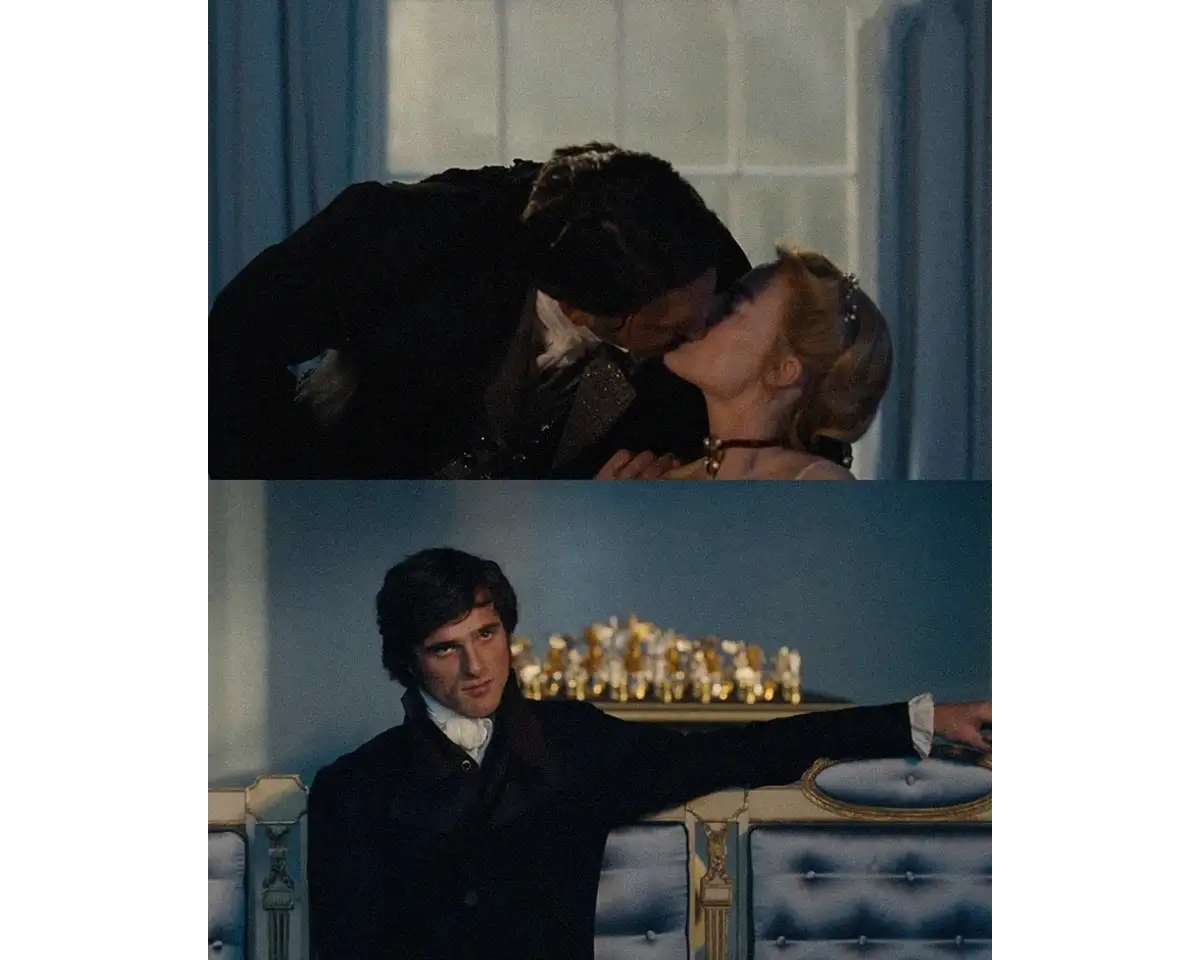
Even the settings of Heated Rivalry and Wuthering Heights stage competing visions of love and masculinity, underscoring how much men need love, emotional clarity, and support, not only from women, but from each other. Evoking turbulence, Brontë describes the word ‘wuthering’ as “a significant provincial adjective, descriptive of the atmospheric tumult to which its station is exposed in stormy weather”. In contrast, the cottage in Heated Rivalry becomes Hollanov’s sanctuary where they finally profess their love. If Wuthering Heights represents the chaos of our world—one where men are still expected to perform their hard, punishing masculinity even in private spaces, the cottage then, is the safe haven where male love triumphs, even in its most raw, dare we say feminine forms. Heated Rivalry’s runaway success as a queer male romance feels well deserved, and it may well help set the new standard for how masculinity is portrayed, both on and off screen.