Turn off your news notifications, delete that app off your iPhone, try to live in blissful ignorance. We tell ourselves this all the time, and are given this advice constantly—by our therapists, by researchers, even by companies capitalizing on this moment to sell us tools physically locking our phone away from all the bad news we are constantly ingesting. When things feel like they are spinning out of control, willful ignorance can feel like a temporary relief. Personally, I like to combine it with another coping mechanism: a laser focus on the things that I can control, no matter how infinitely small.
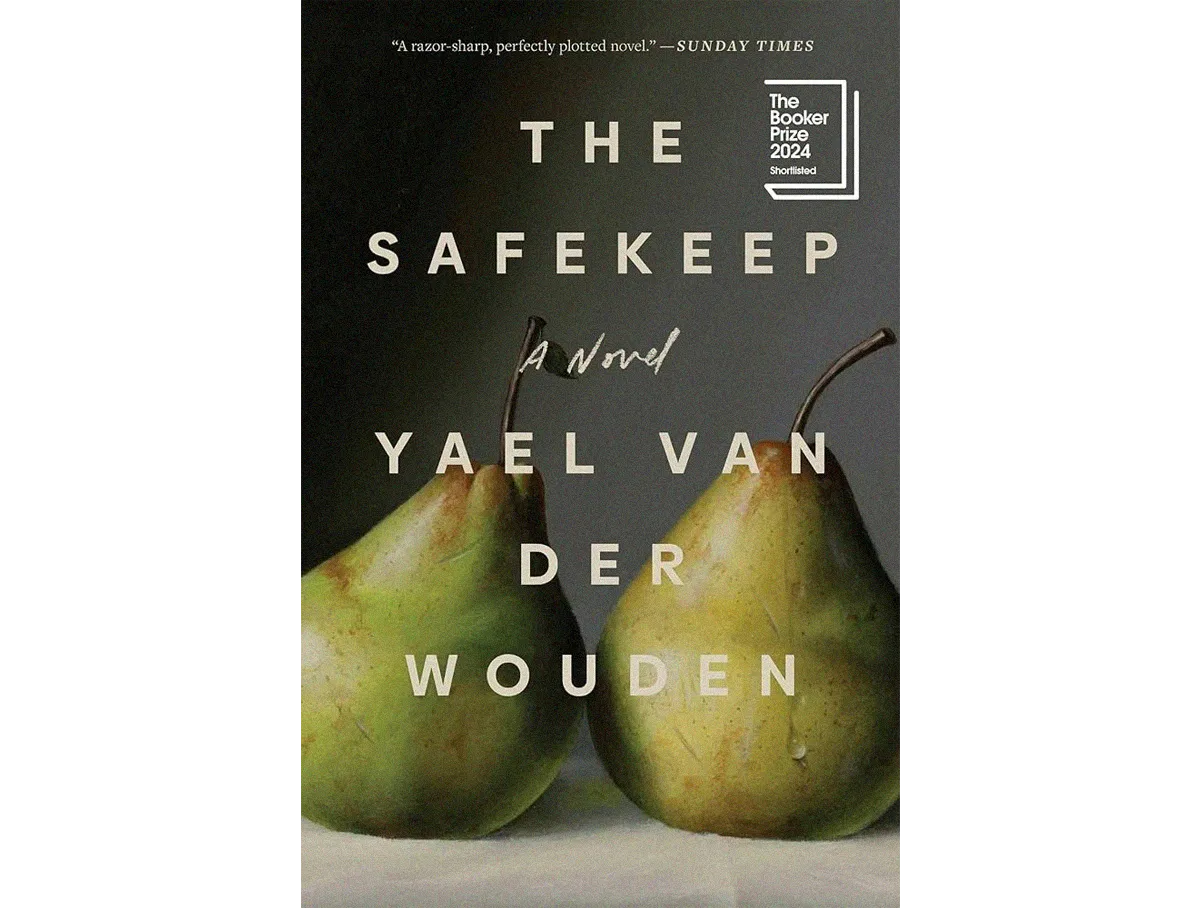
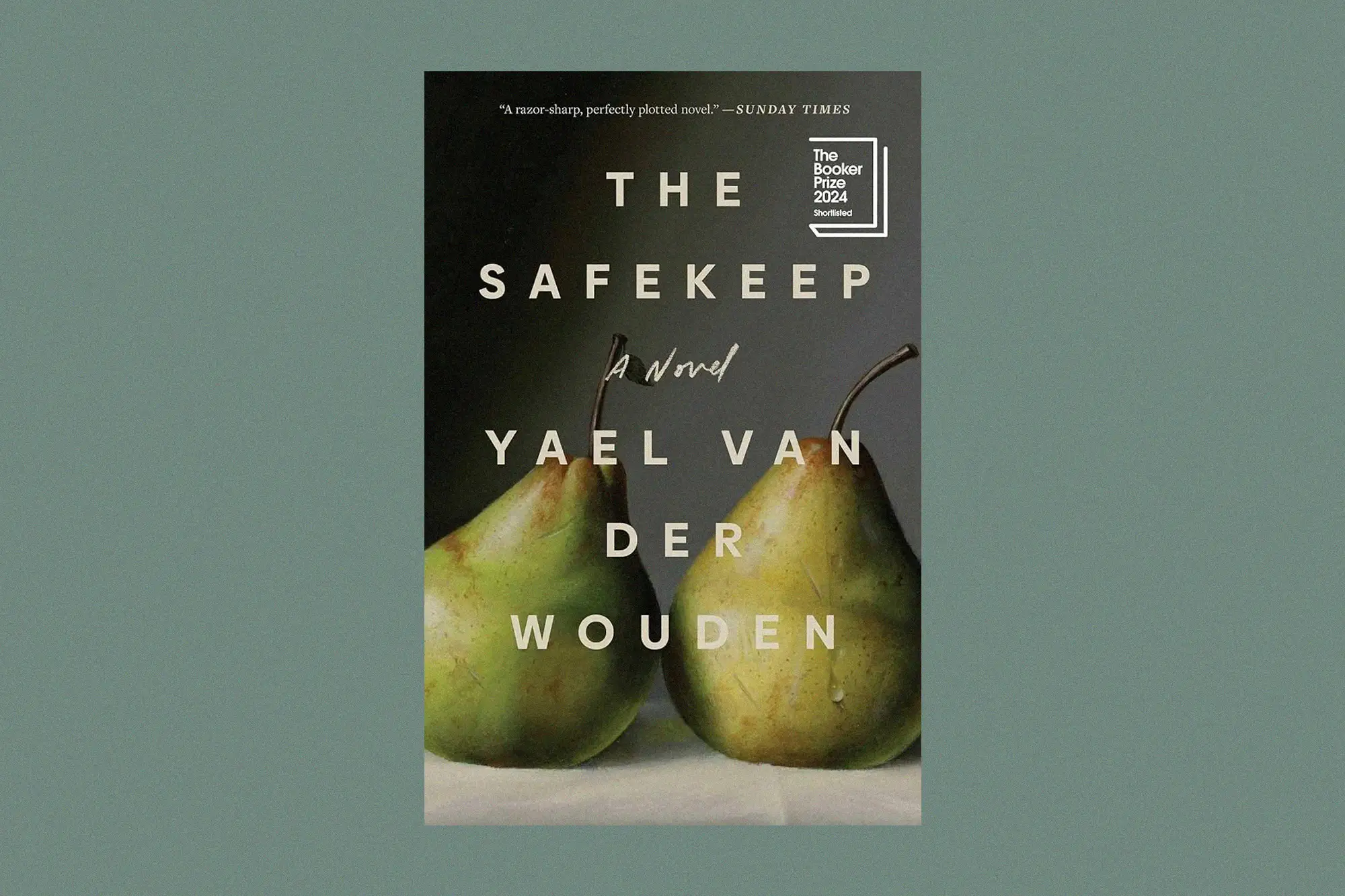
Isabel, the protagonist of Yael van der Wouden’s debut novel The Safekeep (shortlisted for the 2024 Booker Prize), has been combining willful ignorance with obsessive control to shut out unwanted knowledge for decades. It’s the 1960s in the rural Netherlands, and Isabel keeps neurotic care of her childhood home and all its contents, despite the deed being promised to her older brother Louis, who could not care less about the house or its origins. She knows her time in the house she loves (the home where she has lived since the mid-1940s), is limited, destined to be taken away once her womanizing older brother decides to settle down.
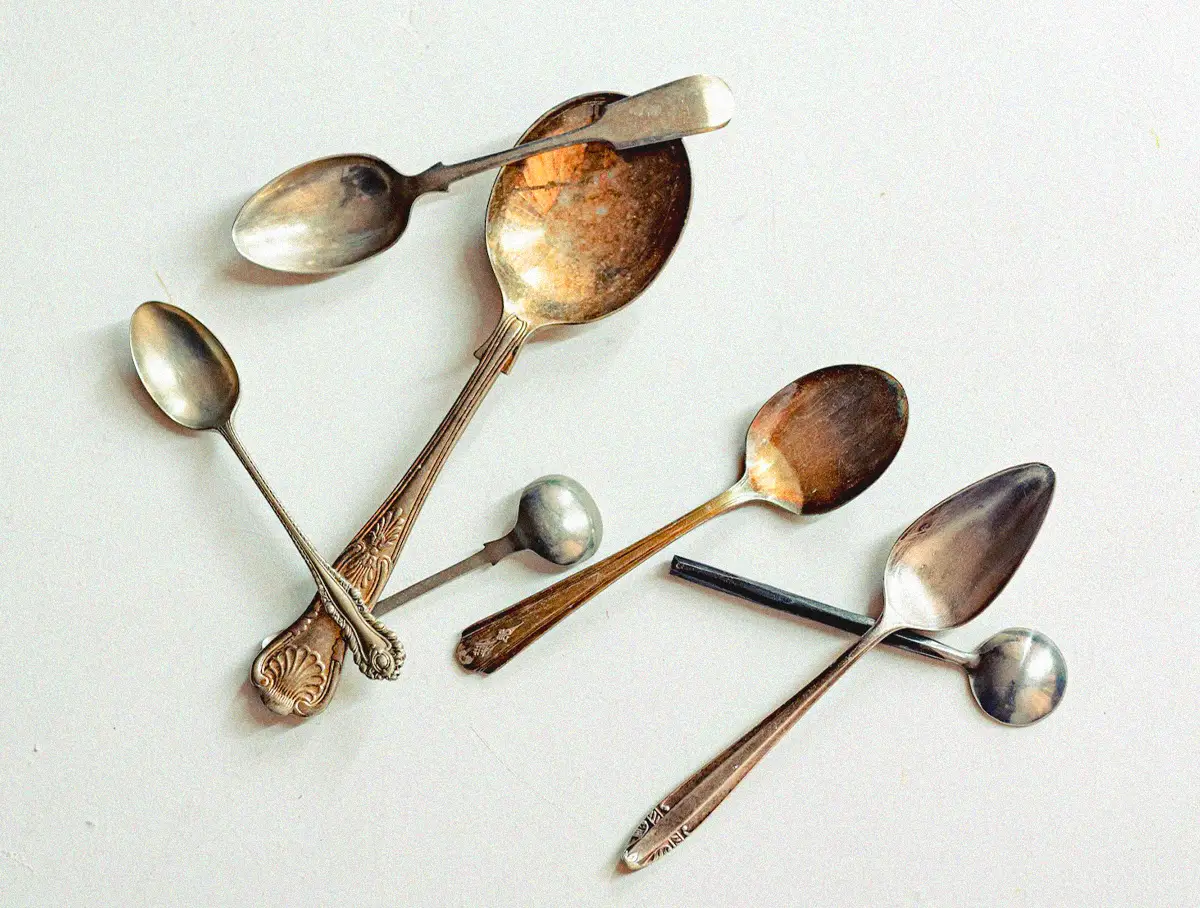
Paralyzed by life, Isa does not have one single real human connection in her life, not even with her own brothers. Her upbringing was characterized by a silence typical to post-war families and flashbacks from her childhood continue to haunt her. She cares about the house, she cares about her routine, and she cares about ensuring that nothing ever changes. She focuses on the things within her control, ignoring what isn’t: how many spoons are in the kitchen cabinet, what days she goes to the post office, how many times the windowsill has been cleaned. When something does not go her way, when her comfort zone risks expanding an inch, she pinches the back of her hand until raw and red, or until her younger brother Hendrik tells her to stop. She knows how to keep a secret—her brother’s sexuality, the home’s good set of plates, its cutlery, its crockery, its sheets. She’s not likeable, or relatable. She’s rigid. She’s slightly racist (granted, in post-Holocaust Netherlands, a protestant, sheltered life like Isa’s led to racism quite naturally). Her inner monologue is harsh and terse. But she’s fascinating, and so one keeps reading. The discomfort is the point.
The tension only increases as the story progresses. Van der Wouden describes careful images of the house, of Isa, of Eva (Louis’ latest conquest), of facial expressions and outfits, shapes and characters that come to life off the page. The anxiety seems effortless. The slow buildup is a careful outline, with patterns that return, elements of a story. Isa keeps obsessive track of the contents of a home that is not hers. Her brother has night terrors. Eva has night terrors, too. Isa pinching the back of her hand. Cutlery and crockery disappear, during and after the war, be it an oven dish or Isa’s dead mother’s plates.
Like poetry, the book’s strength lies in its tempo. You can feel Isa’s contempt when she first meets Eva, when she observes her cheap dresses and badly bleached hair, slowly describing her from head to toes. Only a few pages later, the release comes, and the writing picks up, fast- paced, as Isa and Eva’s bodies touch for the first time.
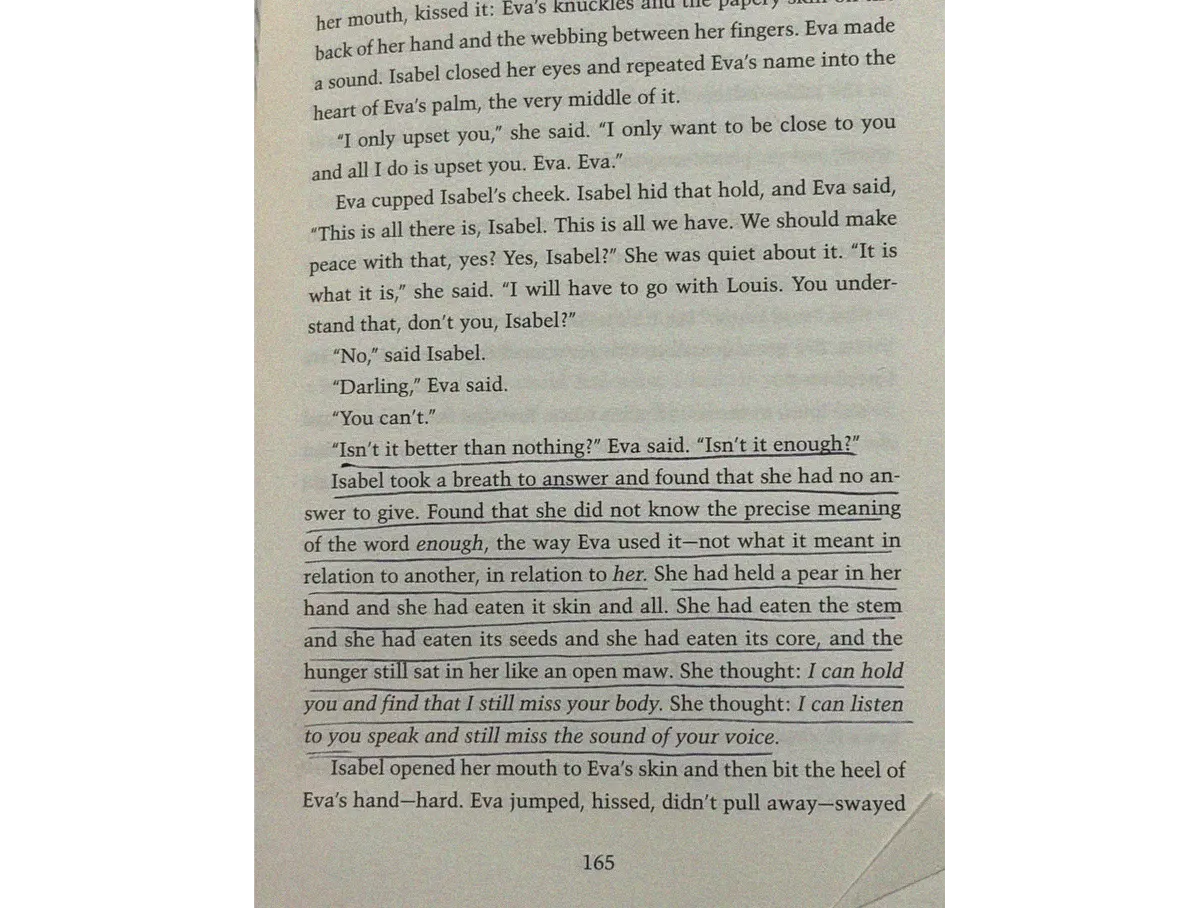
Of course, Isa’s desire for everything to stay the same sets impossible expectations. Eva embodies the inevitable shock to her system that disturbs the carefully designed coping mechanisms. Eva is, as it turns out, as meticulous as Isa, keeping a list of her family’s belongings, belongings which she will recover at any cost. And van der Wouden herself is as detailed and meticulous as the two women she writes about. Every word is there for a reason, every repetition (twelve spoons, twelve plates, night terrors, a lover’s touch) is explained, somehow connected. Her writing weaves together words that at first sight don't fit, but somehow make sense. “Isabel could see herself from the dresser mirror: face red, mouth like a violence.” The words are sharp and clean, cutting.
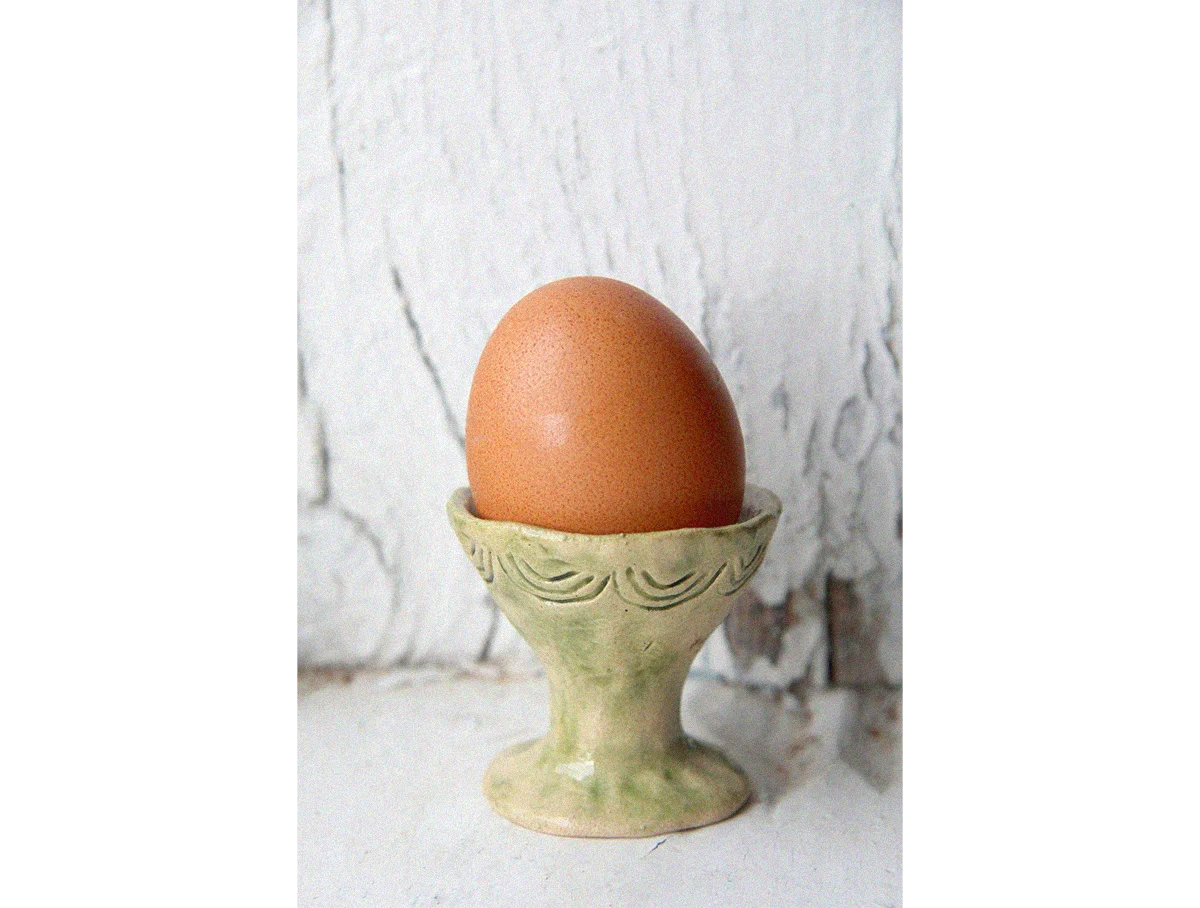
Through the psychological intimacy of one character, The Safekeep becomes a story about theft—not just of a yellow egg cup, or paperweight, or a children’s book, or a home—but of a whole generation. By the end, as this insight dawns on her, Isabel is no longer counting the spoons. She doesn’t need to anymore. No longer stiff or mean, she blooms open. She is unexpected, she is in love, she is just a little bit of a cliché, cutting her hair when she thinks the love of her life has gone. Her brother Hendrik tells her she is acting strange but actually, she finally starts to act like a real person—warm and soft and deeply emotional. She takes on her full shape, as does the realization that in post-Holocaust Europe, Jews who came back to get what was rightfully theirs were excluded from their own homes, their belongings either thrown away or taken by strangers. When Jews returned from the camp, there was often nothing to return to, but Eva came looking for what was left anyway. Isa cedes a part of herself to a woman who comes into her life intent on getting back what is rightfully hers, but instead ends up sharing her life with her. Van der Wouden’s poetry completes the transformation: “[Isa’s] edges were jagged and her chest cracked open. She was not who she once was.”