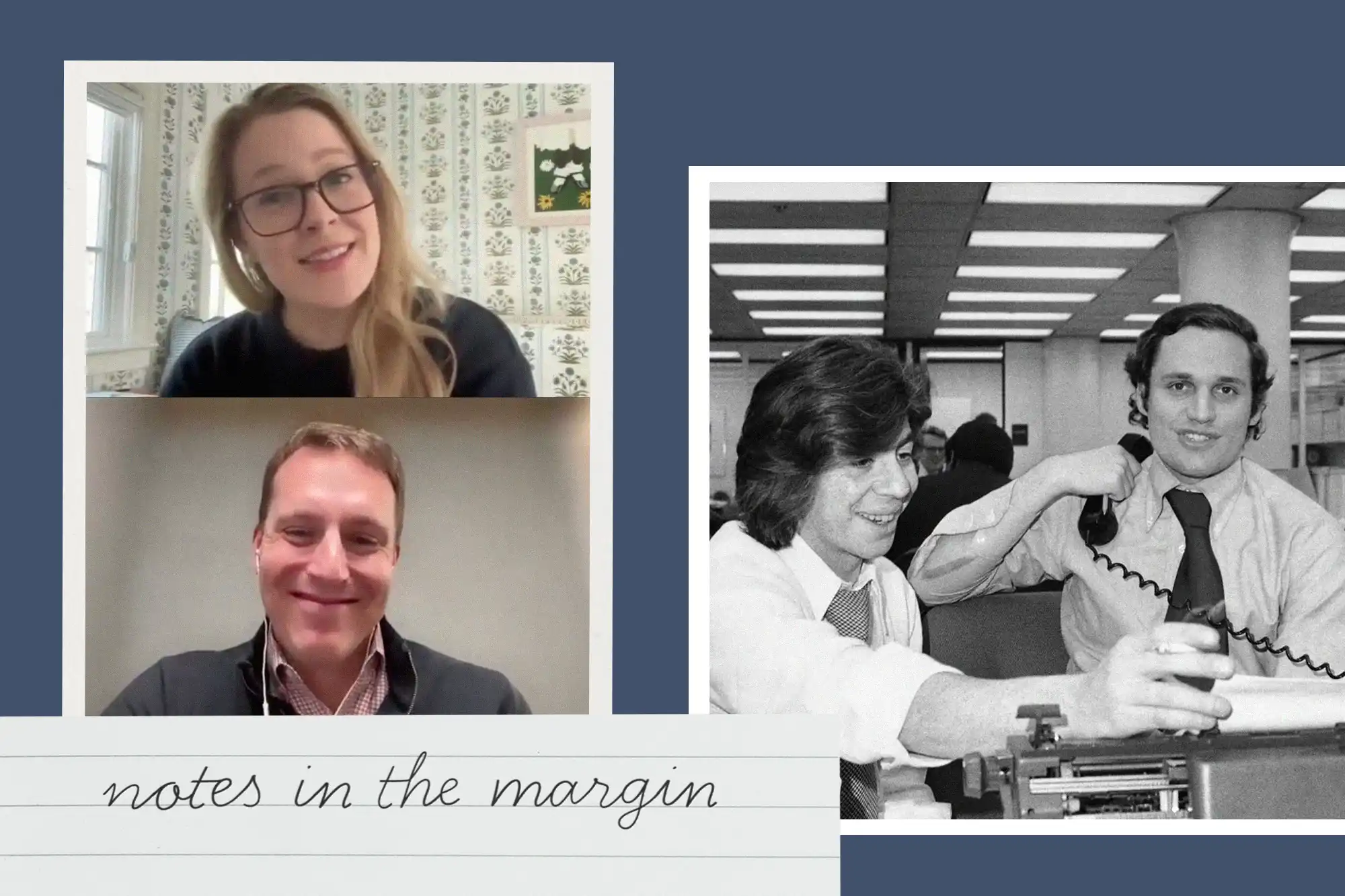
When our Lit Society book club read All the President’s Men, published in 1974 by Bob Woodward and Carl Bernstein, I was struck by how contemporary it felt. I knew the basic story of the Watergate scandal. I learned it in school. President Richard Nixon was involved in stealing documents from the Democratic National Committee. But what surprised me was the actual scale of corruption: the depth of coordination, the brazenness of the lies, the way power assumed it would never have to explain itself. The reporting didn’t feel like history. It felt like a blueprint.
And it raised a larger question: Is investigative journalism the only real check on political corruption?
I highly recommend reading Carl Bernstein and Bob Woodward’s reflection of their time reporting on Watergate. It was a historic moment that held people in power accountable—an accountability that feels like it’s dwindling today.
While reading, I kept thinking: Who is doing this work now? Google searches led me to invite investigative journalist David Fahrenthold to join me for a conversation on Lit Society about uncovering corruption and the power of the written word.

David Fahrenthold was the journalist who uncovered the Trump Foundation fraud that inevitably encouraged the NY Department of Justice to investigate, the foundation to shut down, and for Trump to pay a 2 million dollar fine. I thought he might be interesting to talk to. He was.
The conversation was fascinating. The hunch he had, the trails he followed, and the corruption he uncovered felt like fast-paced fiction. At one point in our conversation, Fahrenthold distilled decades of investigative reporting into a single sentence: “Money can only be in one place at once.” It’s deceptively simple, but it explains why financial records remain one of the few things powerful people can’t spin. Statements can be revised. Narratives can shift. But ledgers, filings, and transfers create a trail.
Journalists don’t create those receipts. They find them often by asking questions no one expected would be pursued all the way to the end.
The Trump Foundation: When the Flashlight Worked
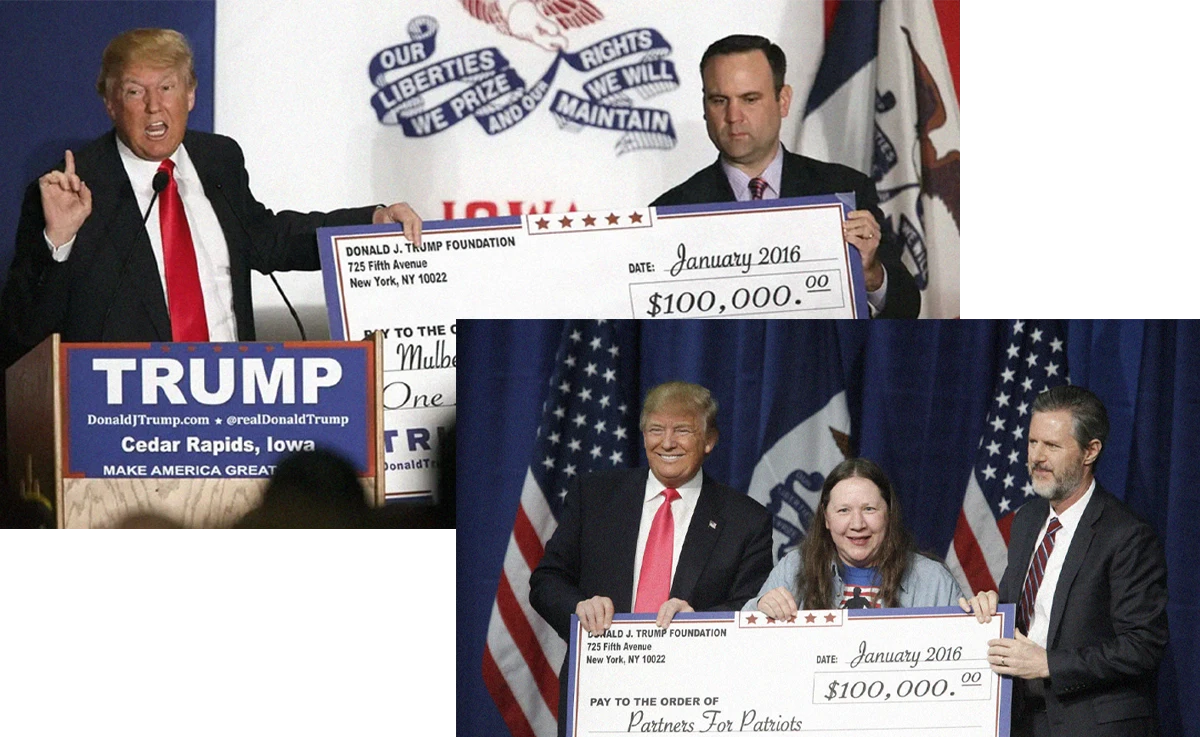
Fahrenthold’s reporting on the Trump Foundation began not with scandal, but with curiosity. Why was Donald Trump handing out oversized charity checks at political rallies? It was unusual. And, as it turned out, illegal.
When the campaign refused to provide basic accounting—how much money was raised and where it went—Fahrenthold reconstructed the record himself. As he put it, when someone responds with “trust us,” it’s often a sign you’re onto something.
The result?
- The New York Attorney General’s office investigated.
- The Trump Foundation shut down.
- A $2 million fine was issued.
So what makes investigative journalism effective? Is it outrage? Or is it documentation?
The Trump Foundation case demonstrated something critical: Accountability doesn’t begin with accusation. It begins with records.
Why Does the Epstein Case Still Raise Financial Questions?
The case of Jeffrey Epstein endures not because of rumor, but because financial questions remain unresolved.
- Who enabled the movement of money?
- Which institutions failed to intervene?
- How did wealth shield accountability for years?
Is the Epstein story ultimately about an individual or about systems designed to obscure financial truth?
When we ask what Watergate, the Trump Foundation, and Epstein have in common, the answer becomes clearer: Each case hinges on whether someone is willing to trace financial systems all the way through.
Why Corruption Fears Journalism
One of the most striking moments in our conversation came when Fahrenthold reflected on what these investigations reveal about power.
If someone is willing to lie under the brightest possible spotlight, he noted, it raises an unsettling question: What else have they done when no one was watching?
This is why corruption fears journalism. Not because reporters criticize, but because they document. Journalism doesn’t just expose a moment; it turns isolated incidents into patterns. And patterns are what make denial impossible.
There’s a reason why people in power attempt to demonize and remove the faith in the press. There’s a reason why when the coverage isn’t going the way they want it to they say it’s “fake news.” There’s a reason why people in power humiliate reporters who ask tough questions (Think: “You’re terrible at your job,” “Piggy,” “You never smile,” “You’re at a failed news network”...). There’s a reason why billionaires purchase a newspaper and then do nothing to keep the lights on. It’s because they are scared.
When Journalism Itself Becomes the Target
That threat of sustained illumination is also why journalists themselves increasingly become targets. Fahrenthold was clear-eyed about the vulnerability of reporters who work without institutional protection. When there’s no newsroom behind you, no legal team, no buffer, accountability becomes personal.
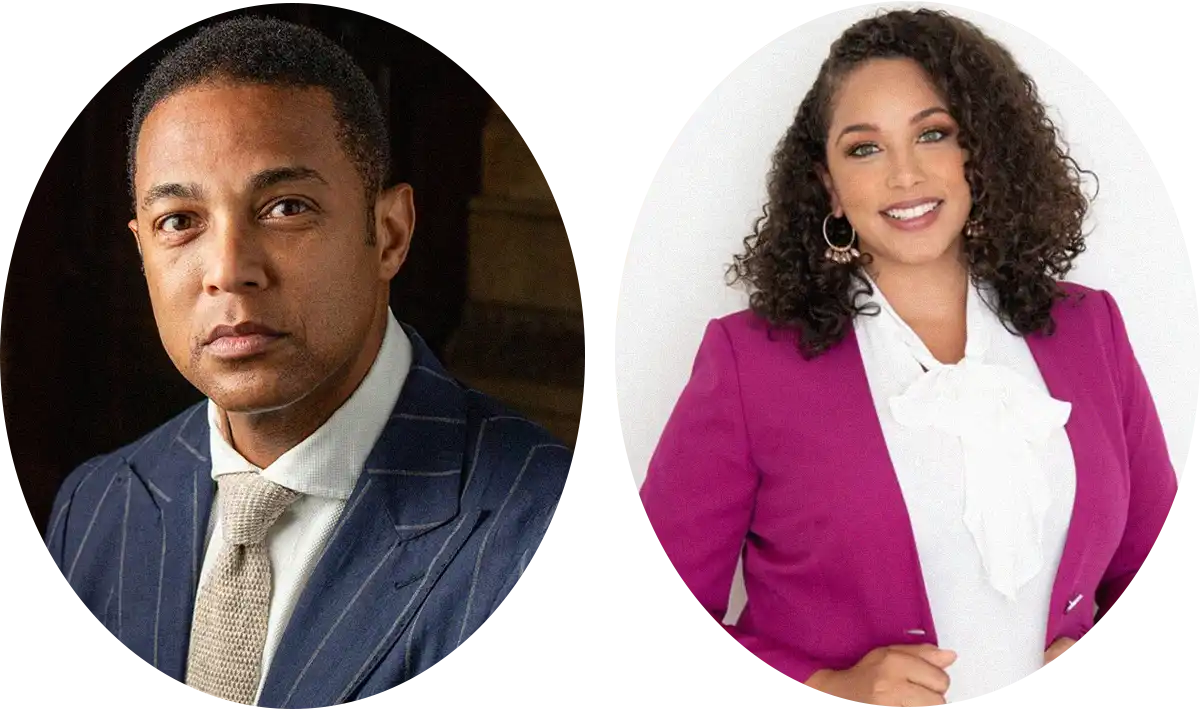
As he put it, it’s no longer a fight with an institution, it’s a fight with one person. That dynamic helps explain why independent journalists like Don Lemon and Georgia Fort face intimidation not for misinformation, but for being present, documenting, and refusing to look away.
Can Investigative Journalism Survive the Attention Economy?
There’s another challenge reporters face today that Woodward and Bernstein didn’t: attention itself. Fahrenthold acknowledged that today, you can’t assume readers will follow a story day-to- day.
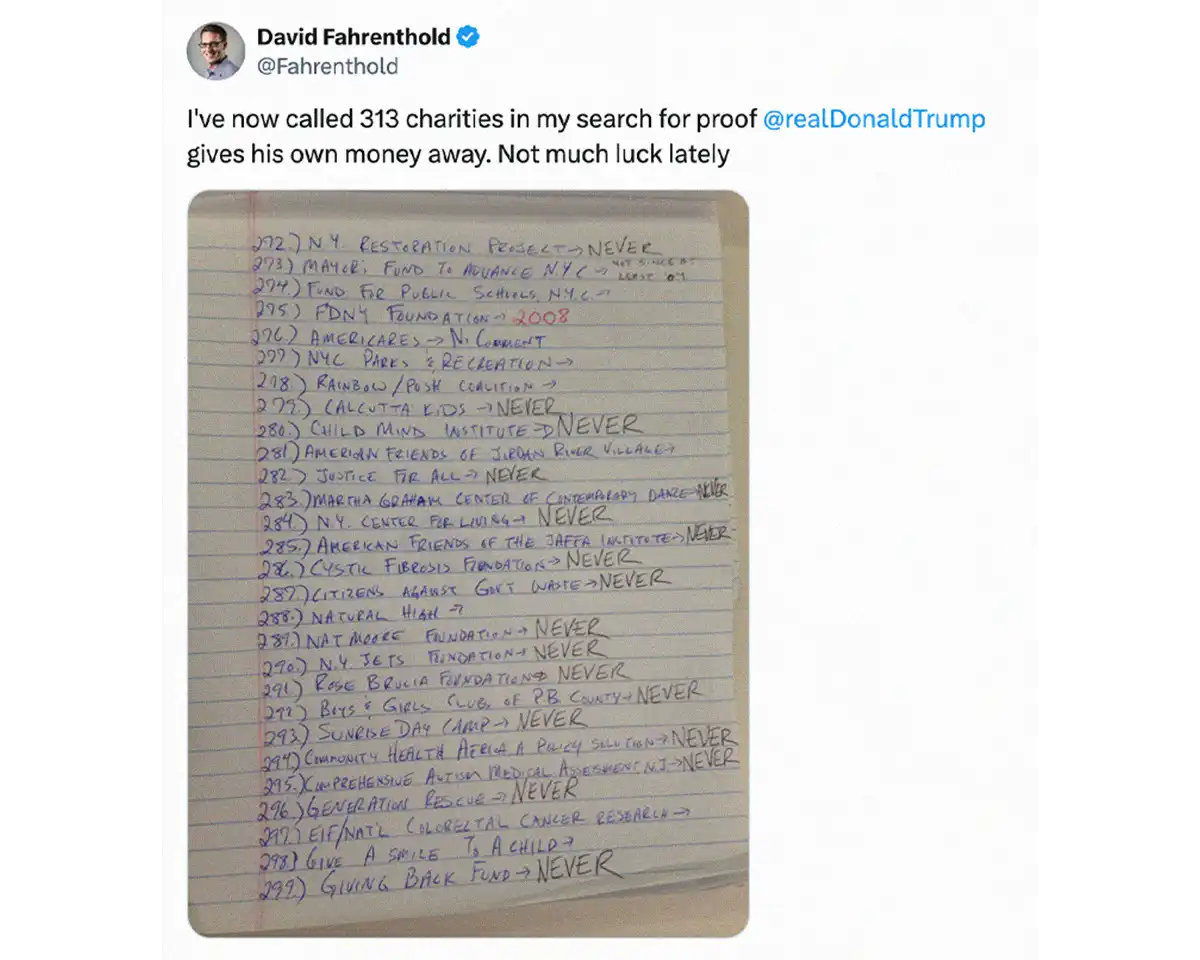
The average American’s inability to pay sustained attention is why transparency of process has become part of the work. Farenthold’s now-famous legal pad, which he photographed and publicly shared on Twitter as he was investigating the Trump Foundation, was a way of making stonewalling visible—of showing the labor behind the reporting, and anchoring truth in something readers could return to and remember years later. In a world that forgets quickly, journalism has to leave a trail.
Why the Flashlight Still Matters
Despite everything—the threats, the shrinking business models, the pressure—Fahrenthold said something hopeful when I asked why he keeps doing this work. It’s still fun, he said. Investigative journalism gives him a license to solve mysteries and be curious—to keep asking hard questions and pursuing answers, every single day.
And maybe that’s the clearest reminder of what journalism is meant to be. Not spectacle or noise, but a steady beam trained on records, money, and power so the rest of us can see where we are.
Read David Farenthold’s column in The New York Times, and follow along on Instagram and X.
P.S. David also told us to keep following Hannah Natanson who is doing some really great investigative work.