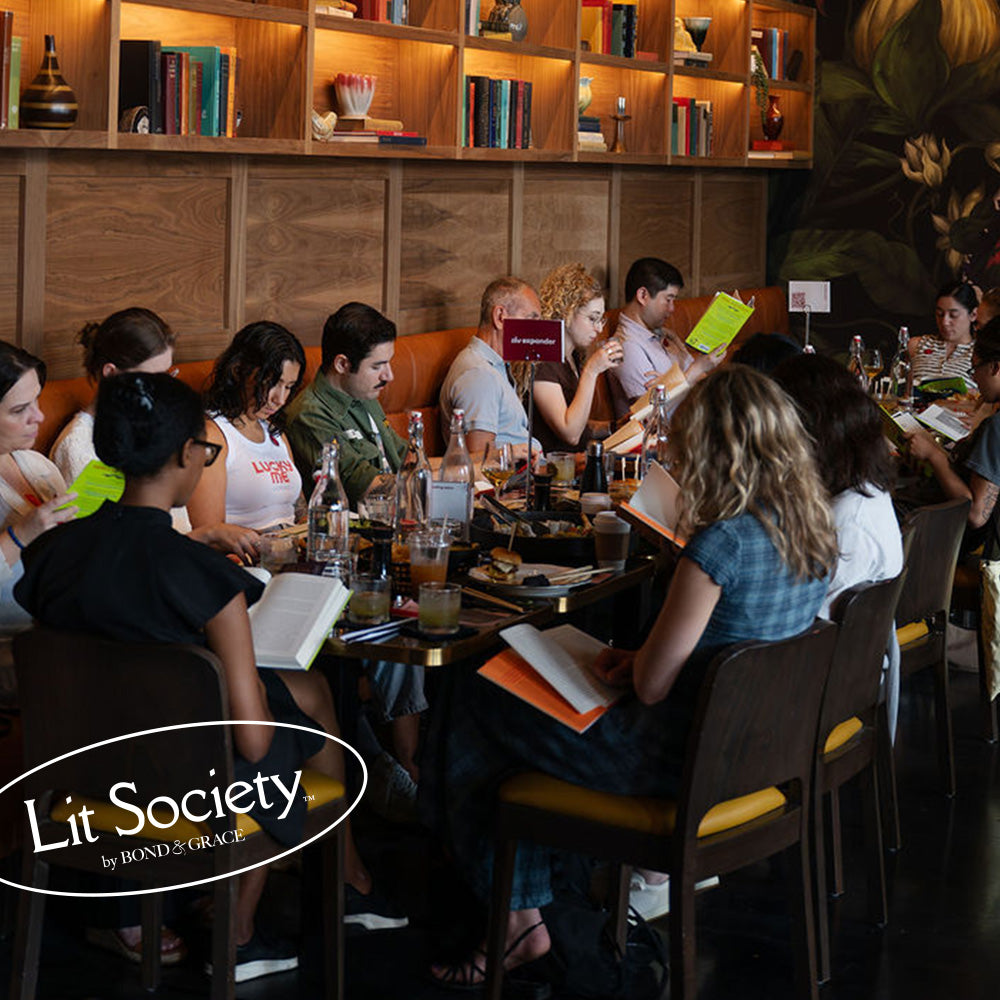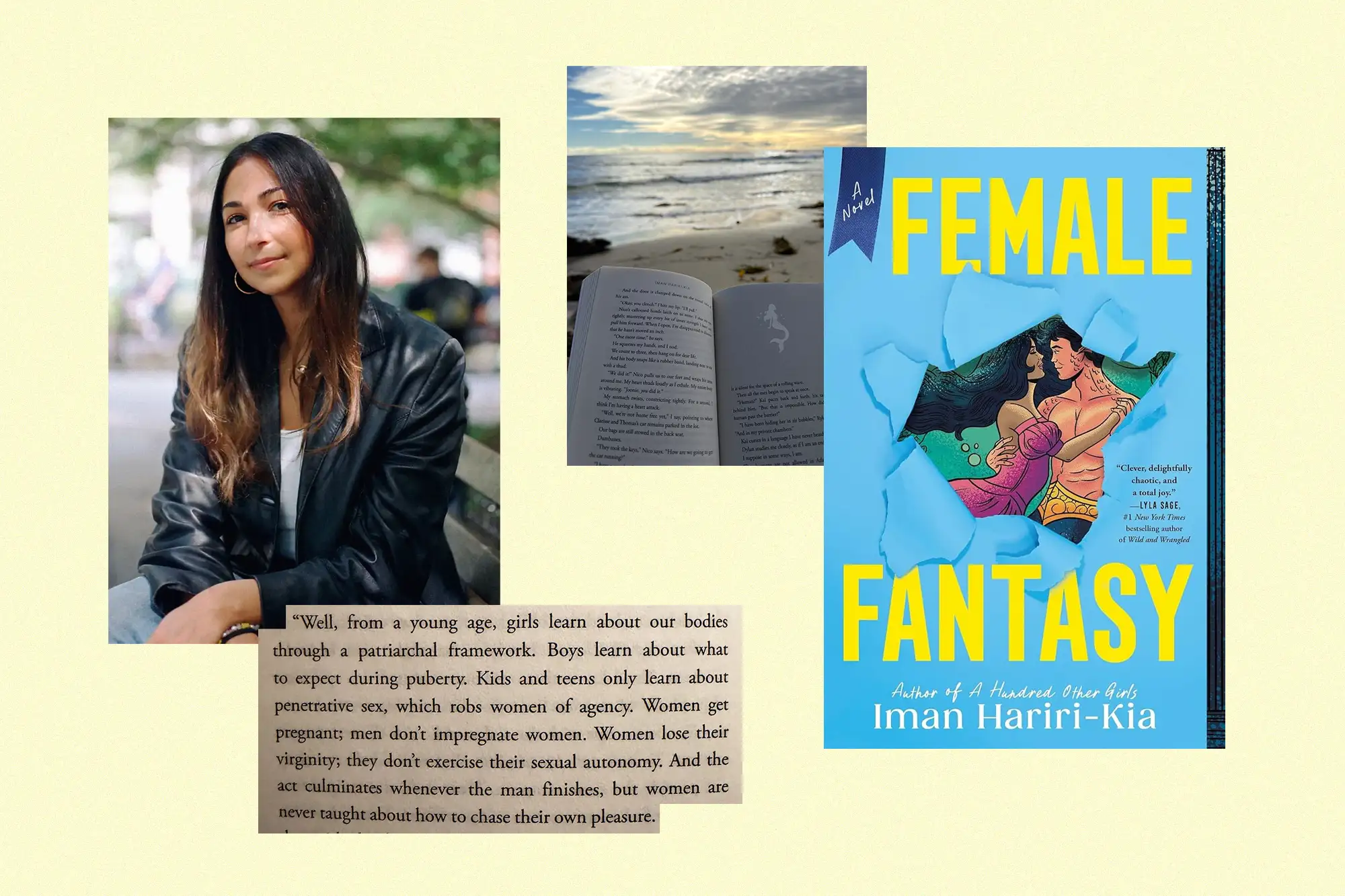
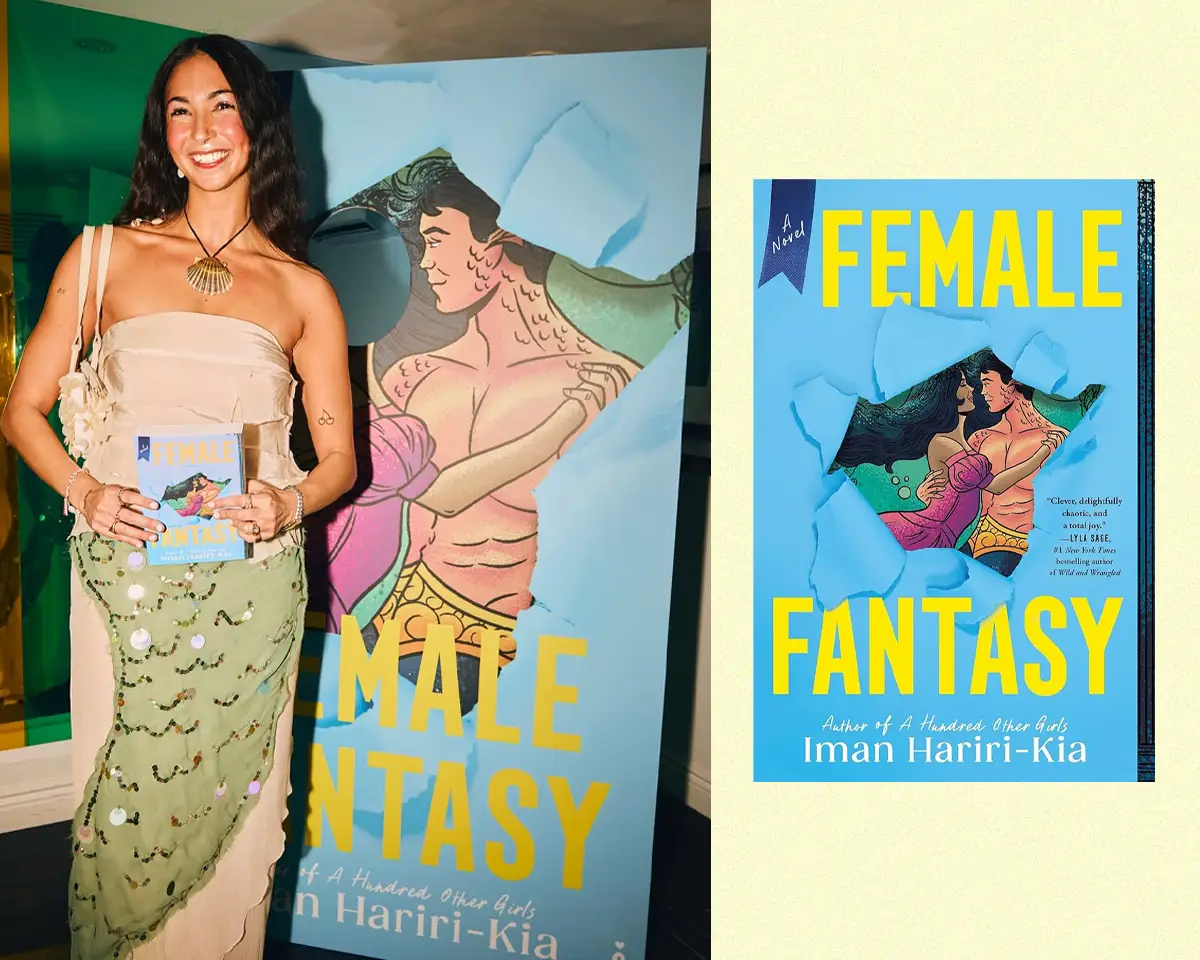
What we learned from Lit Society’s conversation with Female Fantasy author Iman Hariri-Kia.
There’s a particular tone people use when they say the word Romantasy.
A little smirk. A little eye-roll. A sense that these books are fun but unserious. “Guilty pleasures.” “Trashy reads.” “Not real literature.”
I’m guilty of all of the above. And I regret it.
At our recent Lit Society Romantasy Hangout with Iman Hariri-Kia, author of Female Fantasy, we learned why that narrative is so damning. What emerged was a clear through-line: Romance and romantasy don’t just deserve respect, they quietly giving women radical agency over their bodies, desires, and standards. Here are 7 reasons Romantasy is far more powerful and political than people think:
1. Romantasy props up publishing… and yet still gets mocked.
Iman reminded us of a fact the industry knows but rarely honors:
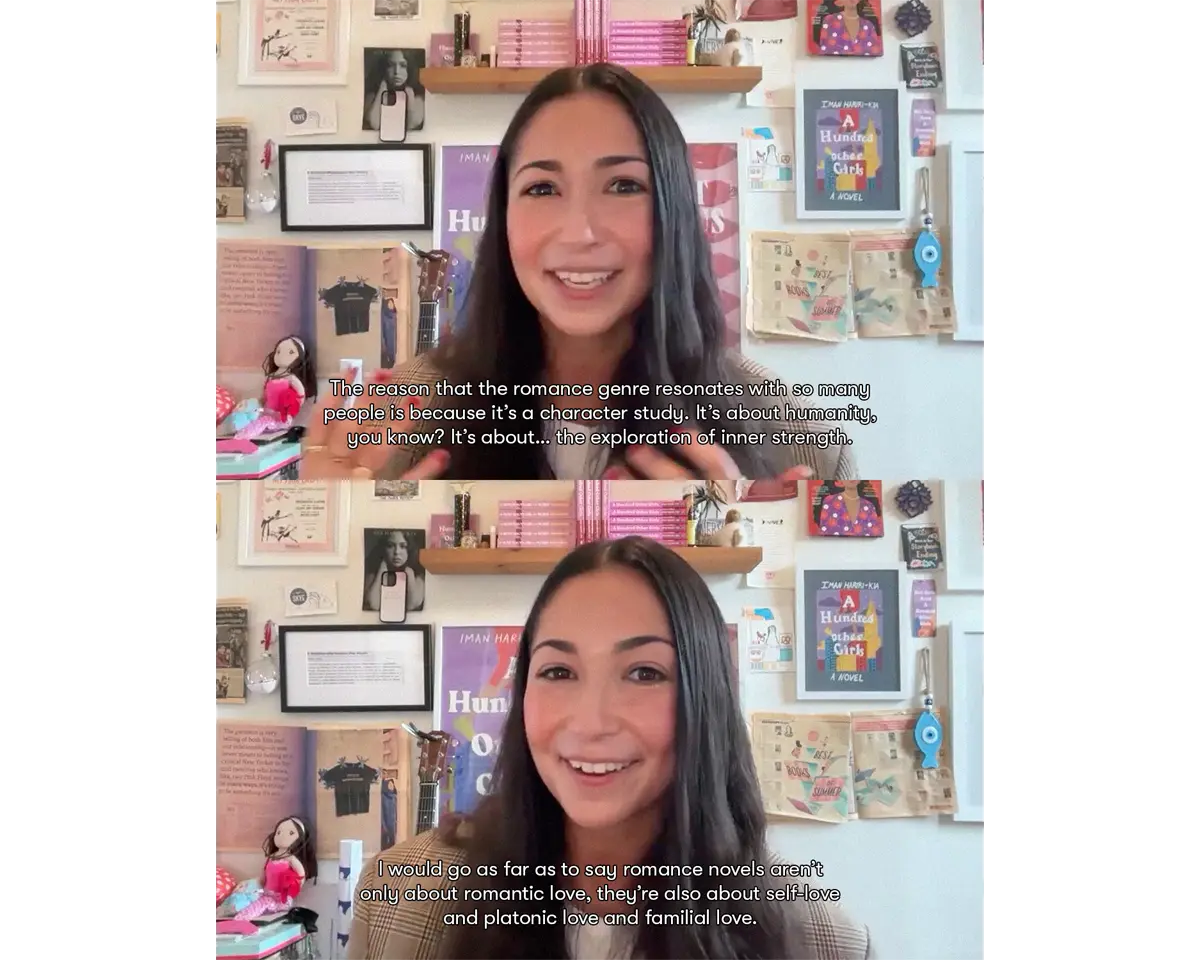
“Romance is a billion-dollar machine that essentially props up the rest of publishing.”
Romantasy sits right at the intersection of that power: speculative worldbuilding + emotionally rich, often explicit romance. Readers show up in droves. They buy the books, talk about them, post about them, and recommend them to everyone they know.
And yet, the same industry that relies on these sales often treats the genre and largely female readership with open condescension: Calling Romantasy “low brow” or “not real literature”.
This isn’t just a marketing oversight. It’s a form of cultural gatekeeping: saying that stories centering women’s emotions, fantasies, and pleasure are somehow “less serious” than stories centering, say, a sad man on a walk coming to terms with his feelings over 300 pages.
Romantasy deserves respect purely on economic and cultural grounds. But that’s just the beginning.
2. Romantasy is doing the sex-ed our schools never did.
One of the most electric parts of our conversation was when Iman connected Romantasy to the failures of sex education.
In most classrooms, if sex is discussed at all, it’s:
- Penetration-focused
- Centering male experience (“when a man ejaculates…”)
- Devoid of pleasure, nuance, desire, or consent as an ongoing practice
Girls learn that “women get pregnant” rather than “men can impregnate women.” We’re told about “losing virginity,” not exercising sexual autonomy. We’re rarely taught how to recognize, name, or advocate for our own pleasure.
So where do women go for the information, language, and scenarios they’re not getting in health class?
They turn to romance and increasingly, to Romantasy.
In Female Fantasy, and in so many Romantasy novels, readers see:
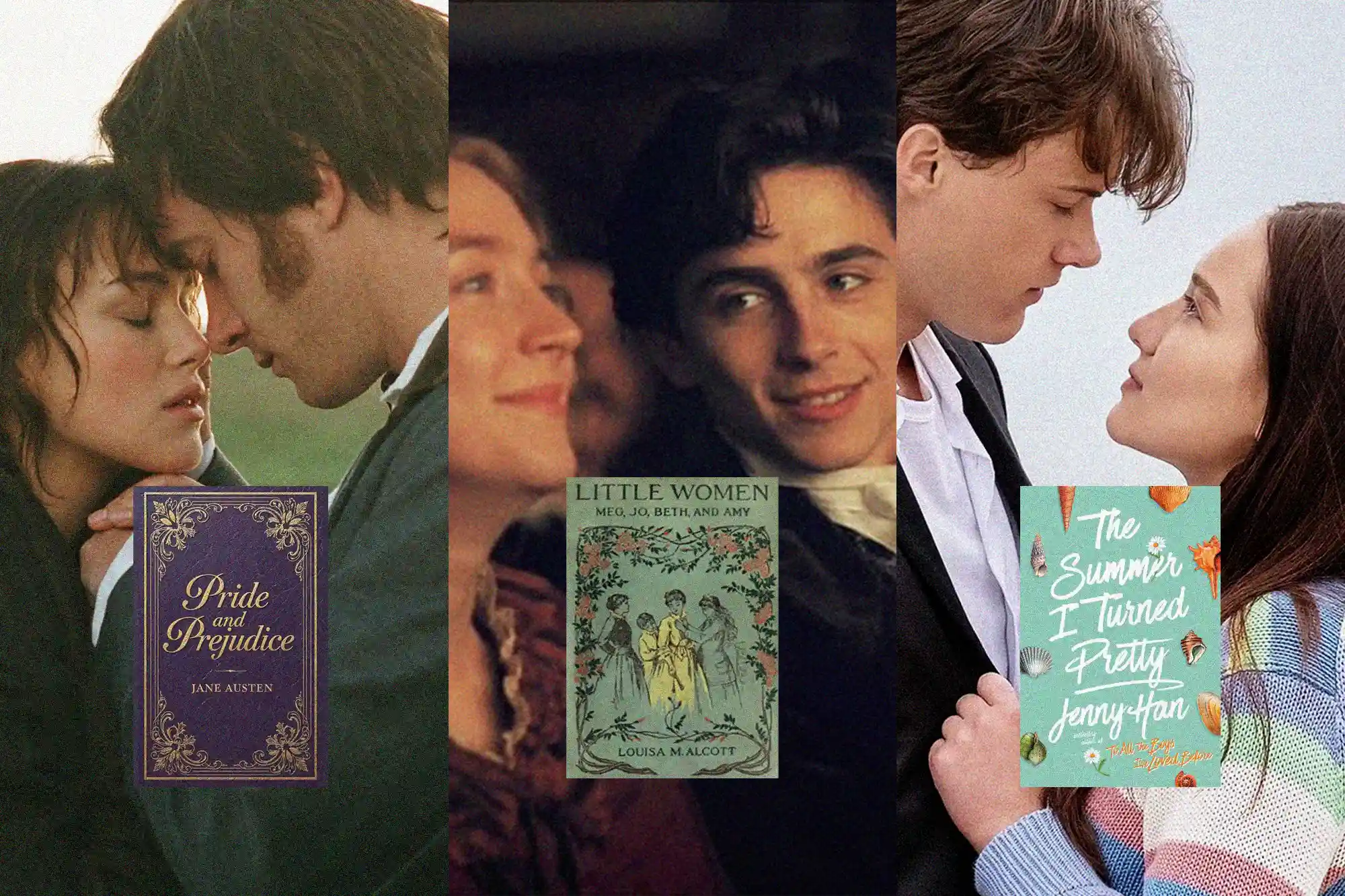
- Female protagonists pausing to care for their bodies (Iman points out the subtle moment in the latest season of The Summer I Turned Pretty where Belly pees after sex to avoid a UTI!).
- Characters who talk during sex—about what they like, what they don’t, what feels safe.
- Narratives that link pleasure, safety, and communication, instead of treating them as separate worlds.
That’s not fluff. That’s education peer-to-peer, woman-to-woman, page-to-page.
3. It teaches women that having standards is not delusional.
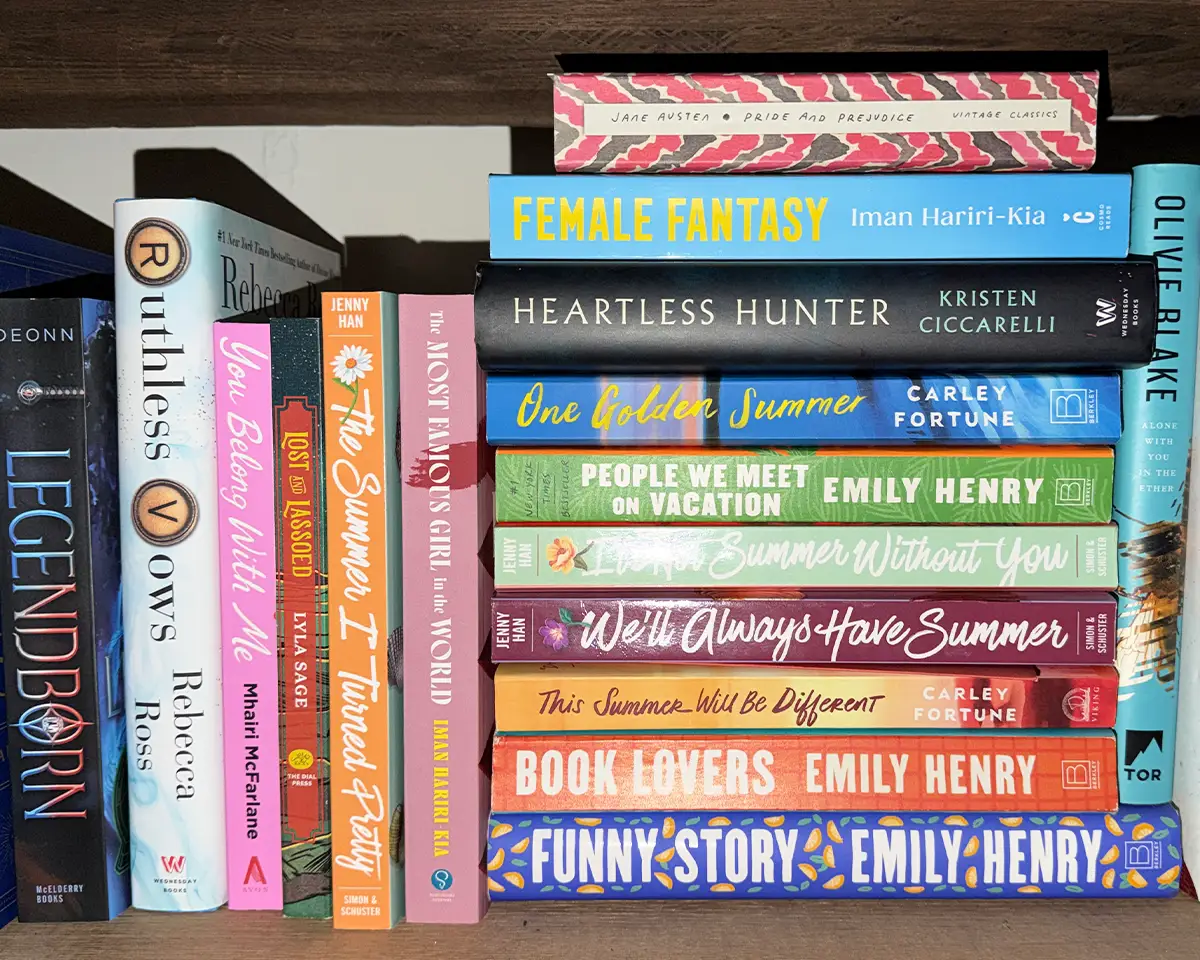
The main character in Female Fantasy, Joonie, decided she wouldn’t settle in a relationship until she can find someone who exemplifies the male character from her favorite novel: Ryke. It’s exactly how I felt after reading Pride and Prejudice. It helped me realize I deserved a certain kind of love, one rooted in respect, attentiveness, and emotional partnership. AKA I wanted a Darcy. I talk more about that here.
Iman pushed back on the stereotype she hears all the time: that romance readers are “delusional” because they “expect too much.”
Actually, we don’t. Thank goodness I didn’t settle for anything less or else I wouldn’t have found my own Darcy, I mean.. David.
What readers actually gain from Romantasy is not an obsession with fictional fae princes, but a clearer sense of what they will and won’t tolerate in real life. These books model:
- Partners who apologize and change.
- Lovers who listen and adjust.
- Men who respect women.
- Relationships where women’s needs aren’t an afterthought but a central plot point.
Far from rotting our brains, Romantasy helps women articulate the quiet, stubborn thought that so many of us harbor:
“I deserve this. I deserve to be loved well.”
That isn’t delusion. That’s discernment.
4. Romantasy turns fangirls into a political force.
Iman talks about Female Fantasy as both a love letter and a social critique of fandom and the romance community.
For generations, romance readers met quietly swapping mass-market paperbacks in grocery store aisles, passing dog-eared copies to friends, recommending the book in whispers.
Now? They’re online. Loud. Organized. And they’re not just talking about fictional couples they’re talking about:
- Consent
- Red flags vs. green flags
- Power dynamics
- Representation and diversity
- Immigration, Women’s Health, Gun Safety
As Iman pointed out, once women start swapping book recommendations and standards what they now expect in love and sex “the jig is up.” The old patterns lose some of their power.
No wonder there’s so much hostility toward “fangirls.” A woman who knows what she wants and knows 10,000 other women who want the same thing is not just a consumer. She’s a cultural threat.

5. It centers women’s interiority and refuses to apologize for it.
Iman’s origin story as a reader begins with Meg Cabot and the gloriously messy stream-of-consciousness style of The Princess Diaries and beyond.
That lineage is alive in Female Fantasy and the Romantasy landscape more broadly: we live inside girls’ and women’s minds as they spiral, overthink, re-evaluate, and change.
Romantasy says:
- A young woman’s inner monologue is worthy of attention.
- Her crush, her fear, her desire, her anxiety all deserve narrative space.
- Her emotional life is not trivial; it’s the story.
That focus on interiority is quietly radical in a world that still tells women to be “chill,” “low maintenance,” and “not so emotional.” Romantasy hands the mic to the so-called “too much” girl and lets her narrate the whole saga.
Respect the genre? You have to, if you believe women’s inner lives are worth this many pages.
6. It reframes female pleasure as power, not shame.
We circled, again and again, around the idea of the “guilty pleasure.”
Why is it that when women read books written by women, about women, for women, the default language is guilt?
Iman is very clear: labeling Romantasy as “trash” or “smut” isn’t neutral, it’s strategic. It:
- Dismisses women’s pleasure as unserious.
- Paints women who read romance as “perverted” or “unreliable.”
- Keeps their stories and perspectives easy to ignore.
In Female Fantasy, Iman flips that script. Romance novels become a literal helping hand from one woman to another, a way to say:
“Here’s what desire can look like. Here’s what you’re allowed to ask for. Here’s how you might feel in your own body, and that’s okay.”
Pleasure becomes information. Information becomes power. Power becomes agency.
There’s nothing guilty about that.
7. Romantasy uses whimsy and worldbuilding to smuggle in social critique.
One of the joys of our conversation was watching Iman absolutely light up about mermaids. Female Fantasy contains a Romantasy novel-within-a-novel (A Tale of Saltwater and Secrets), complete with siren lore, mermaid mythology, and an entire underwater world.
On the surface, it’s deliciously fun: sea horses pulling carriages, magical powers, mysterious islands. But underneath the whimsy, it’s doing real work:
- Using mythical creatures and magic systems to talk about power, control, and bodily autonomy.
- Playing with camp and satire to critique patriarchal structures without ever sounding like a lecture.
- Showing how fantasy worlds can mirror our own systems of oppression and then imagine something better.
Iman described her books as being driven by chaos, humor, and heart with an “underlying current of social commentary.” That’s Romantasy at its best: you come for the enemies-to-lovers slow burn, and you leave with a more complicated understanding of gender, power, and yourself.
Romantasy is not the guilty pleasure.
It gives women, and all marginalized readers, language, standards, and community in a world that often denies us all three.
It’s the helping hand, the group chat, the secret syllabus, the soft place to land, and the spark that says:
“You are allowed to want more. And you are not alone.”
Follow Iman on instagram and check out all her books.
Join Lit Society today for more exclusive author conversations, book clubs, and so much more. Use code LITTALK15 for 15% off.